Every year on 27 April, South Africa marks Freedom Day — a sacred remembrance of the first democratic elections in 1994 and the liberation from apartheid. It is a day that celebrates dignity, equality, and the constitutional promise that every person has the right to live free from oppression and fear. Yet Freedom Day also compels us to ask an unsettling question: what does freedom mean when so many women and girls still live in fear in their own homes, communities, and even sacred spaces?
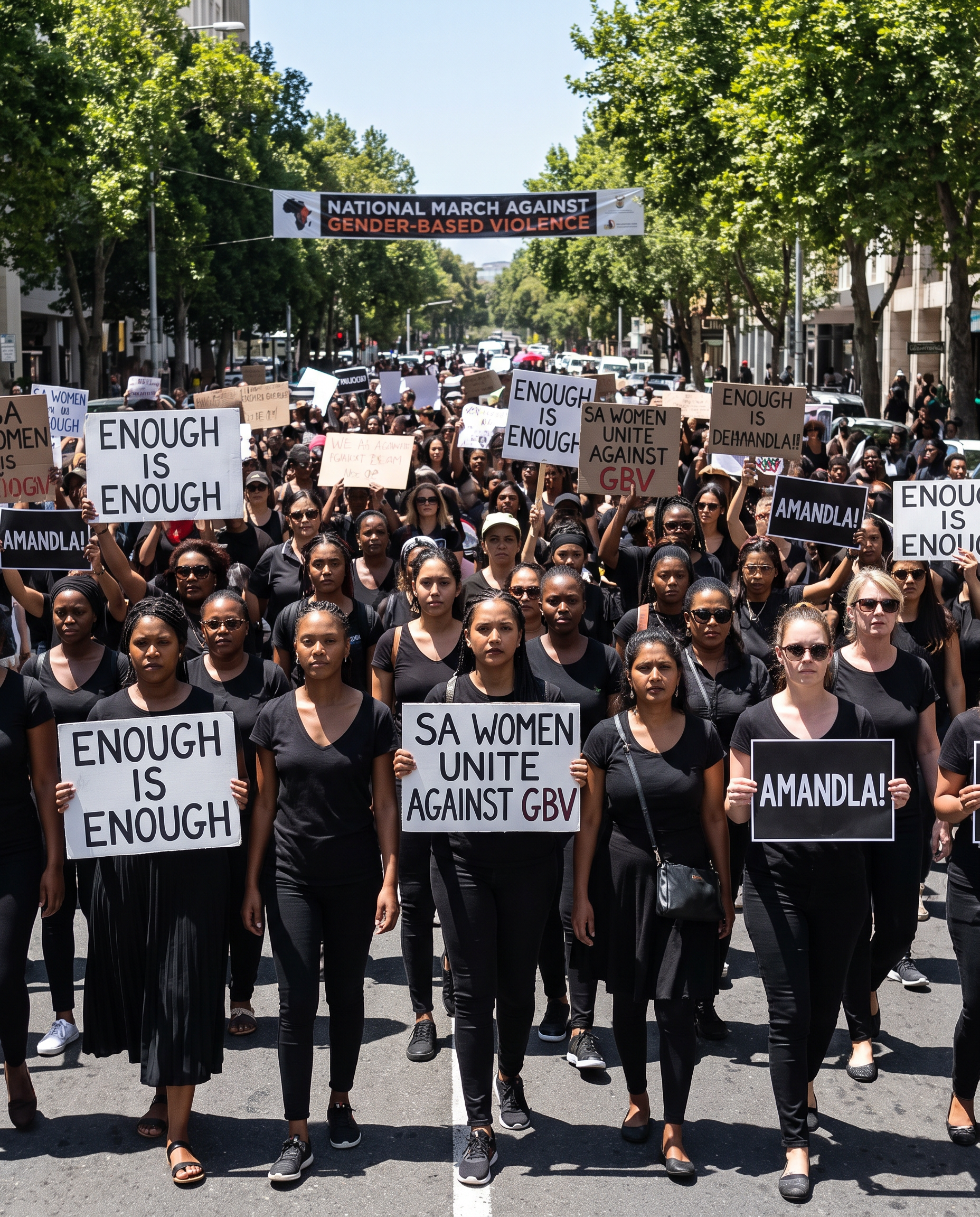
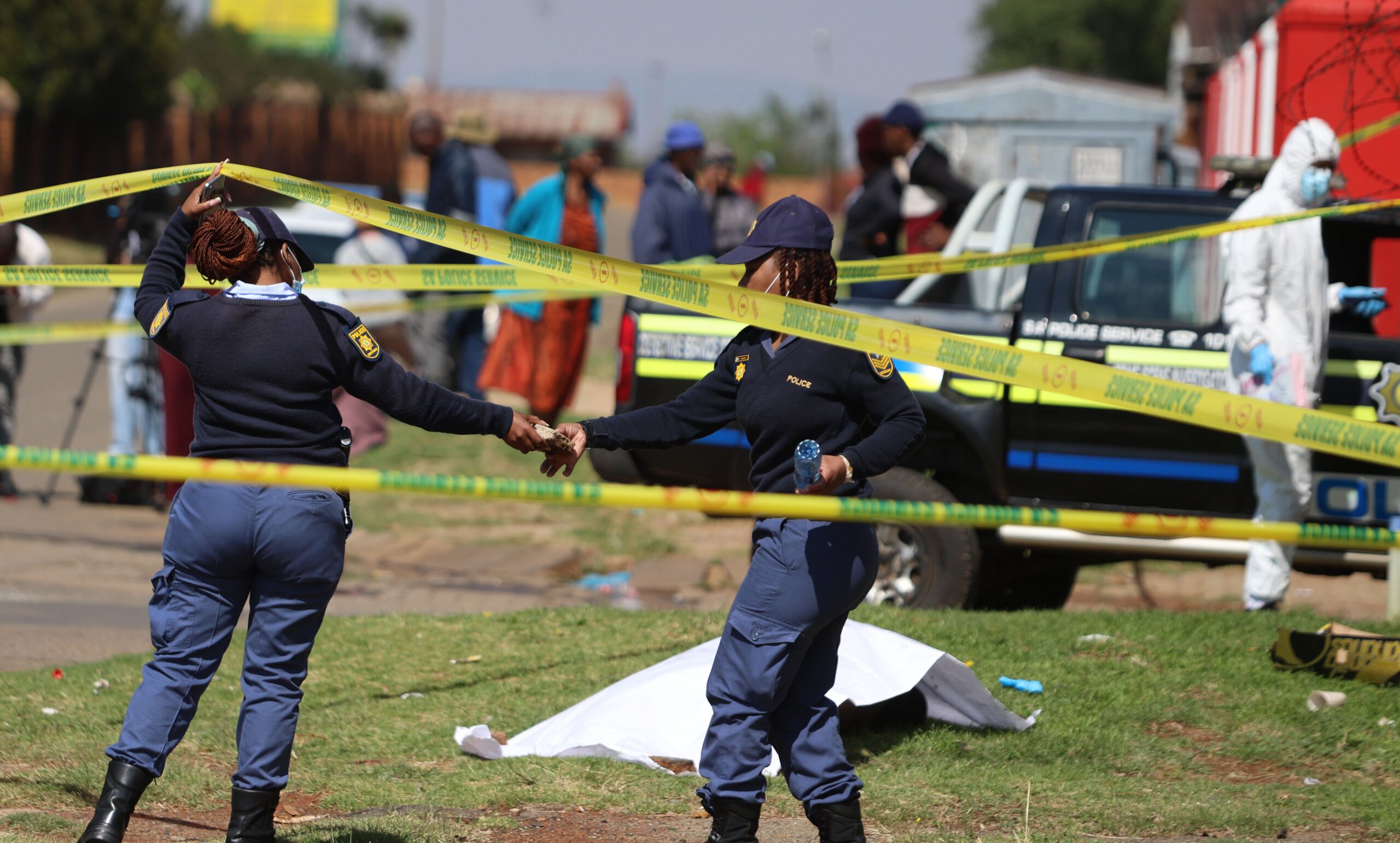
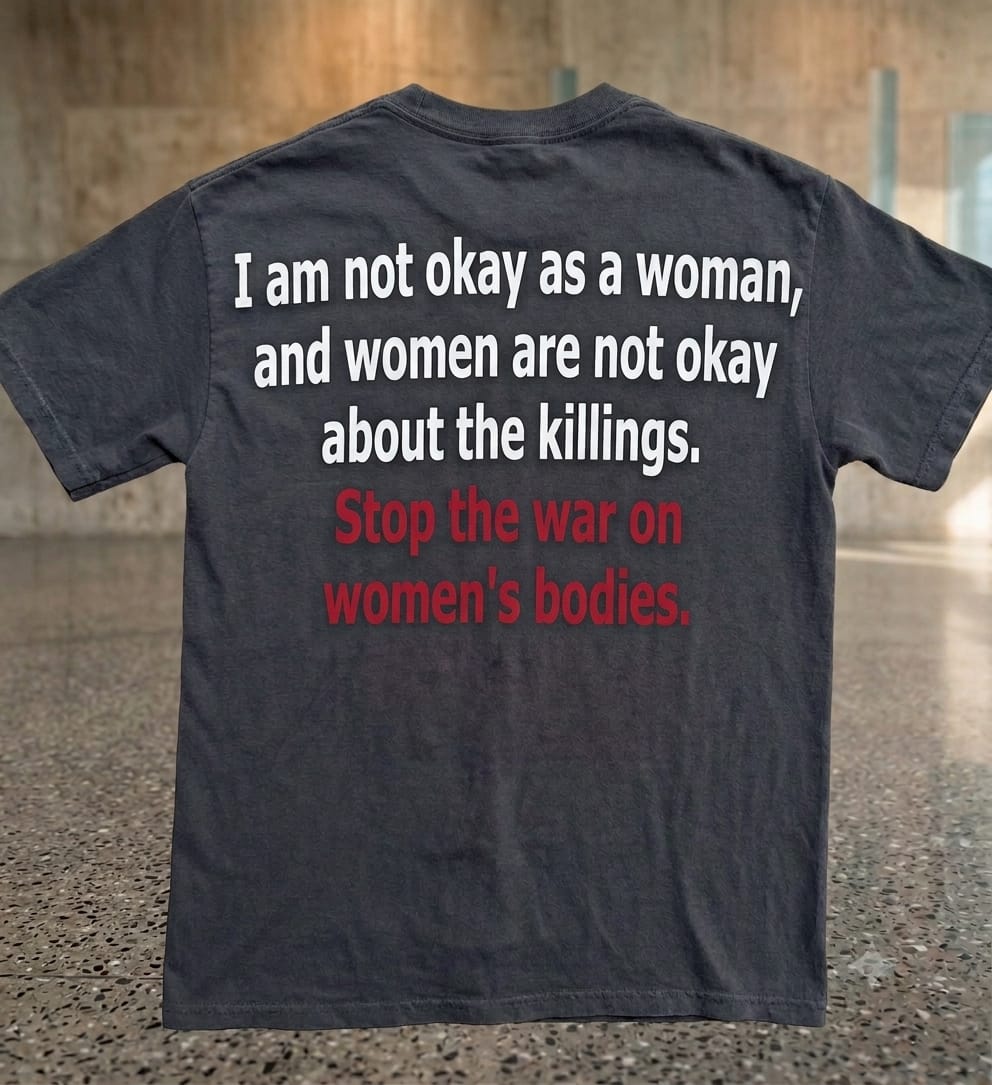
Freedom in South Africa was won through immense sacrifice, yet for many women and children, that promise remains painfully unfulfilled. True freedom is not only political liberation; it is the ability to live with dignity, safety, and bodily autonomy. In a country where gender-based violence and femicide continue at devastating levels, countless women remain trapped — not by apartheid laws, but by fear, abuse, and systemic silence. South Africa’s femicide rate remains among the highest in the world, reminding us that constitutional freedom has not yet become lived reality for all.
The contradiction is stark: while we celebrate national liberation, many remain captive to violence in homes, workplaces, and places of worship. Religious institutions cannot stand outside this reality.
Churches, mosques, temples, and other sacred spaces are meant to be sanctuaries of healing, justice, and truth. Yet too often, they reflect the failures of wider society: abuse is concealed, survivors are doubted, perpetrators are protected, and accountability is avoided in the name of reputation, hierarchy, or misplaced notions of forgiveness. When violence is ignored, freedom is denied.
As Archbishop Desmond Tutu warned:
“If you are neutral in situations of injustice, you have chosen the side of the oppressor.”
His words challenge every faith leader and community: silence in the face of abuse is never neutral — it is complicity.
Kenyan activist and Nobel laureate Wangari Maathai reminds us:
“We are called to assist the earth to heal her wounds and, in the process, heal our own.”
In the struggle against GBVF, this healing must include confronting the wounds within religious institutions themselves — naming harm honestly, protecting survivors courageously, and rebuilding sacred spaces as places of genuine refuge.
Accountability in faith spaces requires more than sermons during commemorative months. It requires concrete institutional commitments:
- Clear safeguarding policies
- Survivor-centred reporting systems
- Independent investigation of abuse allegations
- Meaningful consequences for perpetrators, regardless of status
- Theological teaching that rejects patriarchy, domination, and harmful gender norms
But accountability also begins with courageous self-examination. Some of the questions we can ask ourselves include:
- Are our faith spaces truly safe for survivors to disclose abuse?
- Do our leaders know how to respond appropriately when GBV is reported?
- Have we mistaken protecting institutional reputation for protecting sacred truth?
- How often have we preached peace without confronting abuse of power?
- What does repentance look like when faith institutions have failed survivors?
This Freedom Day, faith communities are called not only to commemorate freedom, but to embody it in the lives of those most vulnerable.
Until every sanctuary is safe, our liberation remains unfinished.
What kind of freedom are we celebrating if our sanctuaries are not safe?
— Gita Dickinson