By Ntsikelelo Colossa
This is a topic I have been afraid to write about for a very long time. Anything connected to mental health touches me deeply. I often avoid talking about it because some wounds are so painful that even putting them into words forces us to revisit the experiences we have spent years trying to survive.
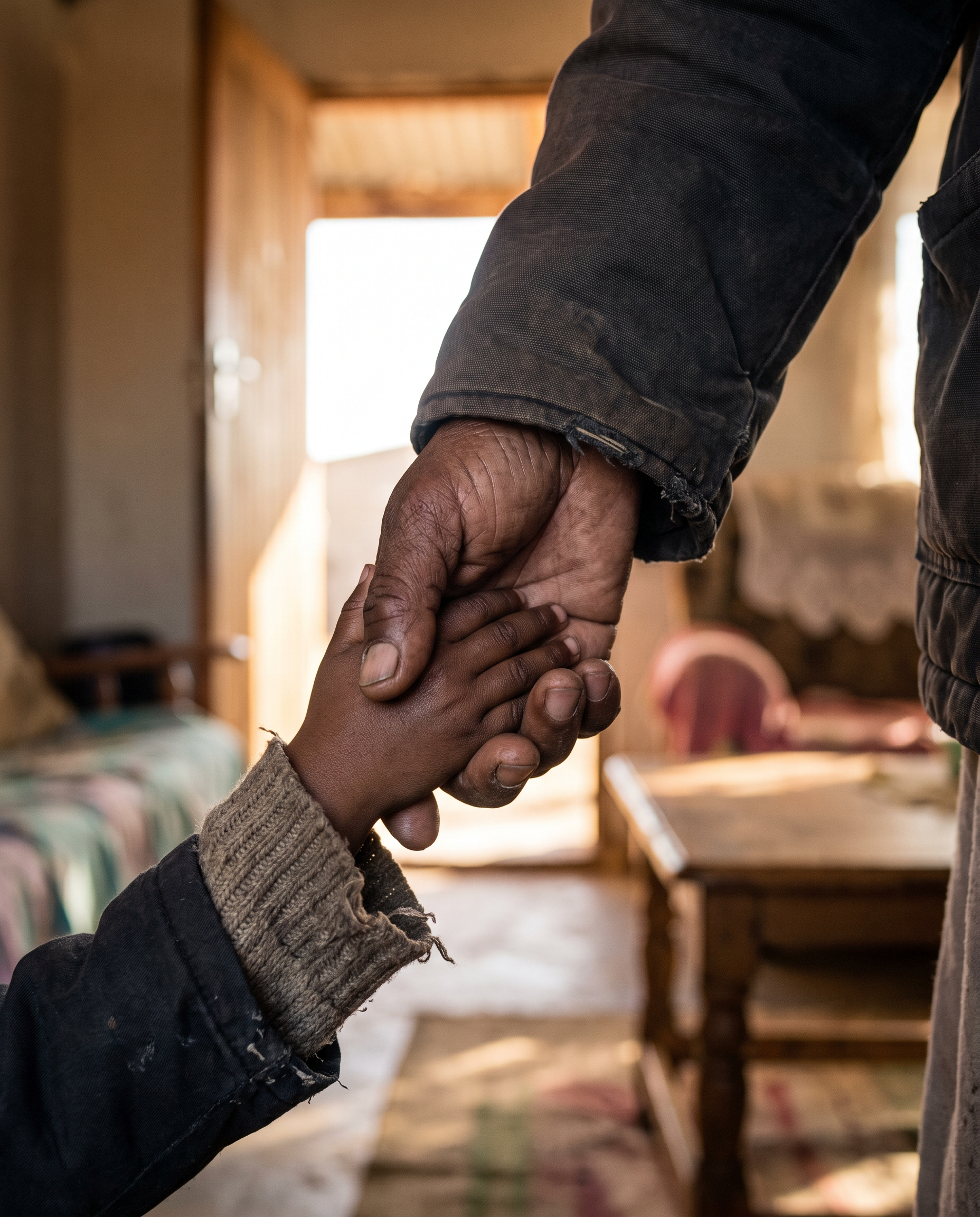
As I think about mental health, faith and gender-based violence (GBV), I am reminded of how we grew up as children, being told to go to church and ask God for food, money and a better life. We were taught that if we wanted to see change in our circumstances, we needed to pray. Yet, when we returned home, the maize bucket was still empty, the struggles remained, and there was still no clear hope for a better tomorrow.
We grew up watching our mothers struggle to raise us, sometimes as single parents, carrying responsibilities that should never have rested on their shoulders alone. We were encouraged to attend church, but when we did not go, we were abused, shouted at or made to feel that we had disappointed God.
As children, how were we supposed to understand this?
How could we be told that God was a source of love and hope while experiencing pain, neglect and fear at home? How could we be expected to pray for a better life when the people responsible for caring for us were not always providing the protection, support and opportunities we needed?
These are painful questions, and I have avoided writing about them for years.
Even as I write these words, I wish my tears could appear on this page. They are falling onto my keyboard because these memories are not just stories from the past. They are experiences that have shaped how I understand faith, family, poverty, abuse and healing.
GBV Is Not Only Physical Violence
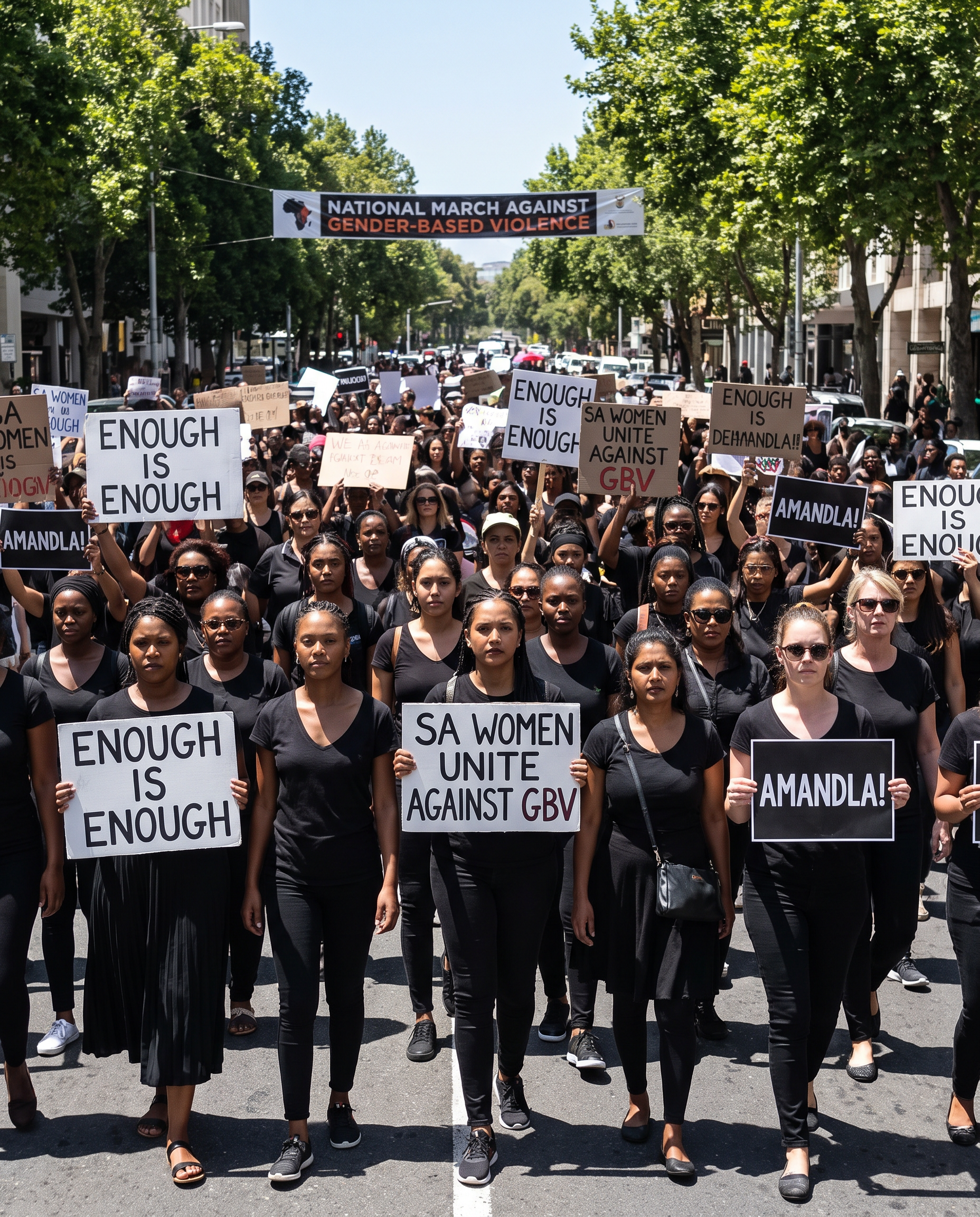
When we speak about GBV, many people immediately think of a man beating his partner. Although physical violence is a serious form of abuse, our conversations must also recognise the different ways violence, neglect, exploitation and emotional harm affect individuals and families.
Children can also experience abuse within their own homes. Emotional cruelty, intimidation, humiliation and the failure to provide necessary care can leave wounds that remain long after childhood.
When a parent abandons their responsibilities, leaving a mother to raise children without financial support, food, school fees or other necessities, the consequences can be devastating. When children are then shouted at, threatened or mistreated for not attending church, we must ask ourselves what kind of faith we are teaching them.
We cannot speak about love while neglecting our responsibilities. We cannot preach compassion while humiliating vulnerable children. And we cannot claim to be building spiritually grounded communities while ignoring the pain experienced by families living in poverty.
Not every form of parental neglect is legally classified as GBV, but neglect, emotional abuse and economic abandonment can contribute to profound psychological harm. We need honest conversations about all these experiences and the ways they affect the mental health of children and their caregivers.
When Faith Becomes Associated With Pain
For some people, a place of worship is a sanctuary. It is where they find comfort, community, hope and a sense of belonging.
For others, faith has become complicated by painful experiences.
When children are taught to pray for food but continue to go hungry, they may begin to struggle with questions about prayer, God and their own worth. When they see other children enjoying the warmth, security and support of their parents while they return to homes marked by hardship, the emotional burden can be overwhelming.
When people are repeatedly told that prayer alone will change their circumstances, they may feel ashamed when their situations do not improve. Some may even begin to believe that their suffering is a sign of weak faith.
But poverty is not proof of a lack of faith. Hunger is not evidence that someone has failed to pray. And a person who is struggling emotionally does not deserve to be judged for their pain.
Faith can offer strength, but spiritual encouragement should never be used to replace practical assistance, accountability or professional mental health support when it is needed.
As we grow older, some of us begin to realise that although prayer may give us hope, we also need to make plans, seek opportunities, support one another and confront the circumstances that keep families trapped in poverty.
We need both spiritual care and practical action.
The Silence of Sacred Spaces
One of the most painful realities is that people can belong to religious or spiritual communities and still feel completely alone.
We speak about fellowship, unity and love, but how often do we genuinely check on one another?
How often do we ask whether the person sitting beside us has eaten, whether their children are attending school, whether they can afford transport to a place of worship, or whether they are struggling with depression, anxiety, trauma or other emotional difficulties?
What is the meaning of fellowship if we gather to worship but fail to notice the suffering among us?
A sacred space should not only be a place where people are encouraged to pray. It should also be a place where people are listened to, protected, supported and treated with dignity.
For people living in poverty, the cost of attending church, a temple or another spiritual gathering can itself become a burden. Transport, clothing, contributions and other expectations may prevent them from participating.
What happens to those who have dedicated their time and energy to spiritual service but cannot afford to attend gatherings? What happens to those who serve faithfully yet feel abandoned when they need help?
Our spiritual communities must ask these questions honestly. No one should have to prove their devotion by sacrificing their basic needs, and no one should be made to feel spiritually inferior because they cannot afford to participate.
When Spiritual Authority Is Used to Exploit the Vulnerable
Perhaps one of the most disturbing forms of abuse occurs when people in positions of spiritual authority exploit the trust placed in them.
There are survivors who experience sexual abuse at the hands of pastors, traditional healers, prophets or other spiritual leaders. Some may be threatened, manipulated or told to remain silent because no one will believe them, because speaking out will bring shame to their families, or because challenging a spiritual leader is presented as challenging God or the ancestors.
This is unacceptable. No spiritual title gives anyone the right to violate another person’s body, dignity or trust. No sacred teaching should be used to silence a survivor. No institution should protect a perpetrator at the expense of the person who has been harmed.
Survivors deserve to be heard without intimidation, supported without judgment and protected from further abuse.
Religious and traditional spiritual institutions must establish clear safeguarding procedures, respond appropriately to allegations, refer survivors to qualified support services and cooperate with lawful investigations.
We must never allow the language of faith, holiness or ancestral authority to become a shield for abuse.
Mental Health Must Be Part of Spiritual Care
Mental health deserves to be taken seriously in every sacred space.
Trauma does not disappear simply because someone grows older, becomes a spiritual leader, starts a family or learns how to smile in public. Some people spend years trying to understand experiences they endured as children.
When they finally have the opportunity to enjoy life, build relationships, pursue education or follow their dreams, they may find themselves still carrying memories of neglect, humiliation, poverty and abuse.
Some are trying to heal while also supporting their families. Others are trying to understand why their childhood was filled with responsibilities that were never theirs to carry.
A young boy who grows up without the support of his father may find himself carrying emotional and practical responsibilities long before he is ready. A young girl may grow up believing that suffering in silence is simply part of being a woman. Both may reach adulthood carrying wounds that deserve care and understanding.
We must stop expecting people to heal without giving them the space, support and resources they need.
Spiritual care can be an important source of comfort for many people, but it should work alongside appropriate mental health services, not be used as a substitute for them. Seeking counselling or psychological support does not make someone less spiritual. Healing takes time, and every person’s journey is different.
What Can Interfaith Communities Do to Fight GBV and Poverty?
As people of different faiths and spiritual traditions, we have a responsibility to speak the truth about the challenges affecting our communities.
Our sacred spaces have resources, influence, relationships and the ability to mobilise people. We must use these resources to protect vulnerable people and help families rebuild their lives.
We can begin by:
1. Making mental health part of our conversations – Create spaces where people can discuss emotional distress, trauma and grief without being shamed or judged.
2. Teaching about GBV and abuse – Help congregations understand physical, sexual, emotional and economic abuse, as well as child neglect and the importance of accountability.
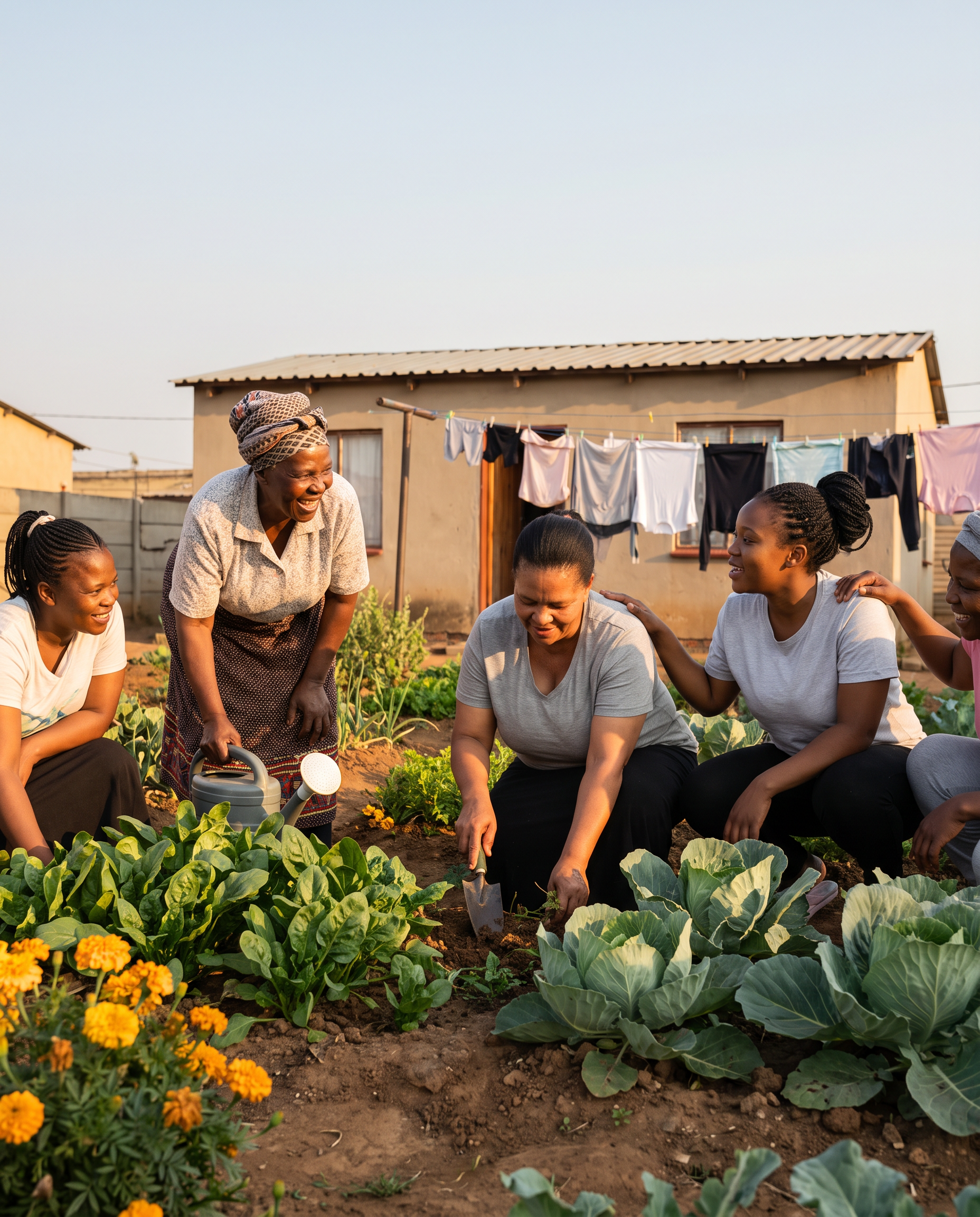
3. Supporting families in practical ways – Establish food programmes, school-fee assistance where possible, referrals to social services and support for caregivers raising children with limited resources.
4. Protecting survivors – Develop clear procedures for reporting abuse, responding to disclosures, protecting confidentiality and referring survivors to appropriate services. Never force survivors into silence, reconciliation or forgiveness.
5. Holding spiritual leaders accountable – Introduce safeguarding standards and ensure that allegations of abuse are handled seriously, independently and lawfully.
6. Making sacred spaces accessible – Avoid making participation dependent on a person’s ability to pay. Offer support without humiliating people who are struggling financially.
7. Encouraging responsible parenting – Teach that raising children requires love, protection, emotional support and practical responsibility. Prayer must never be used to excuse neglect.
8. Building partnerships – Work with mental health professionals, social workers, schools, community organisations and GBV support services to ensure that people receive appropriate help.
9. Listening to the voices of the poor and vulnerable – Those who experience hardship must be included in decisions about the programmes and services intended to support them.
These are practical steps that can help us move beyond words and create communities where compassion becomes visible through action.
A Call to Our Sacred Spaces
Our churches, temples and traditional spiritual communities must become places where people can find safety, not additional reasons to be afraid.
They must be places where a hungry child can receive food, where a struggling mother can find support, where a survivor can speak without fear, and where a person experiencing mental health difficulties can be treated with dignity.
We must be brave enough to acknowledge that harm can occur within our own communities. Acknowledging this does not mean rejecting faith or spirituality. It means taking responsibility for the ways our institutions and leaders affect human lives.
We cannot continue preaching about protecting families while ignoring children who are suffering. We cannot speak about healing the nation while refusing to acknowledge the wounds carried by its people.
If we want a better future, we must create conditions in which children are protected, parents are supported, survivors are believed and spiritual leaders are held accountable.
Let us stop asking only whether people are attending our sacred gatherings. Let us also ask whether they are safe, whether they are eating, whether their children are cared for and whether they have the support they need to live with dignity.
A sacred space should be a place where faith meets compassion, where prayer is accompanied by action, and where no person is abandoned in their suffering.
May our sacred spaces become safe spaces for all.
May we protect our children, support our families, confront GBV and poverty, and take mental health seriously.
May we never allow criminals and abusers to hide behind the name of the Lord or the names of our ancestors.
And may we have the courage to speak about the things that hurt us, even when those truths are difficult to confront.
We owe this to the survivors, to the children who are still growing up in silence, and to the generations that will come after us.
Thokozani. May all of us be healed.