By Gil Harper
I entered Mental Health Month pondering the link between mental health and gender-based violence. I had no idea I was about to live it.
A country on edge
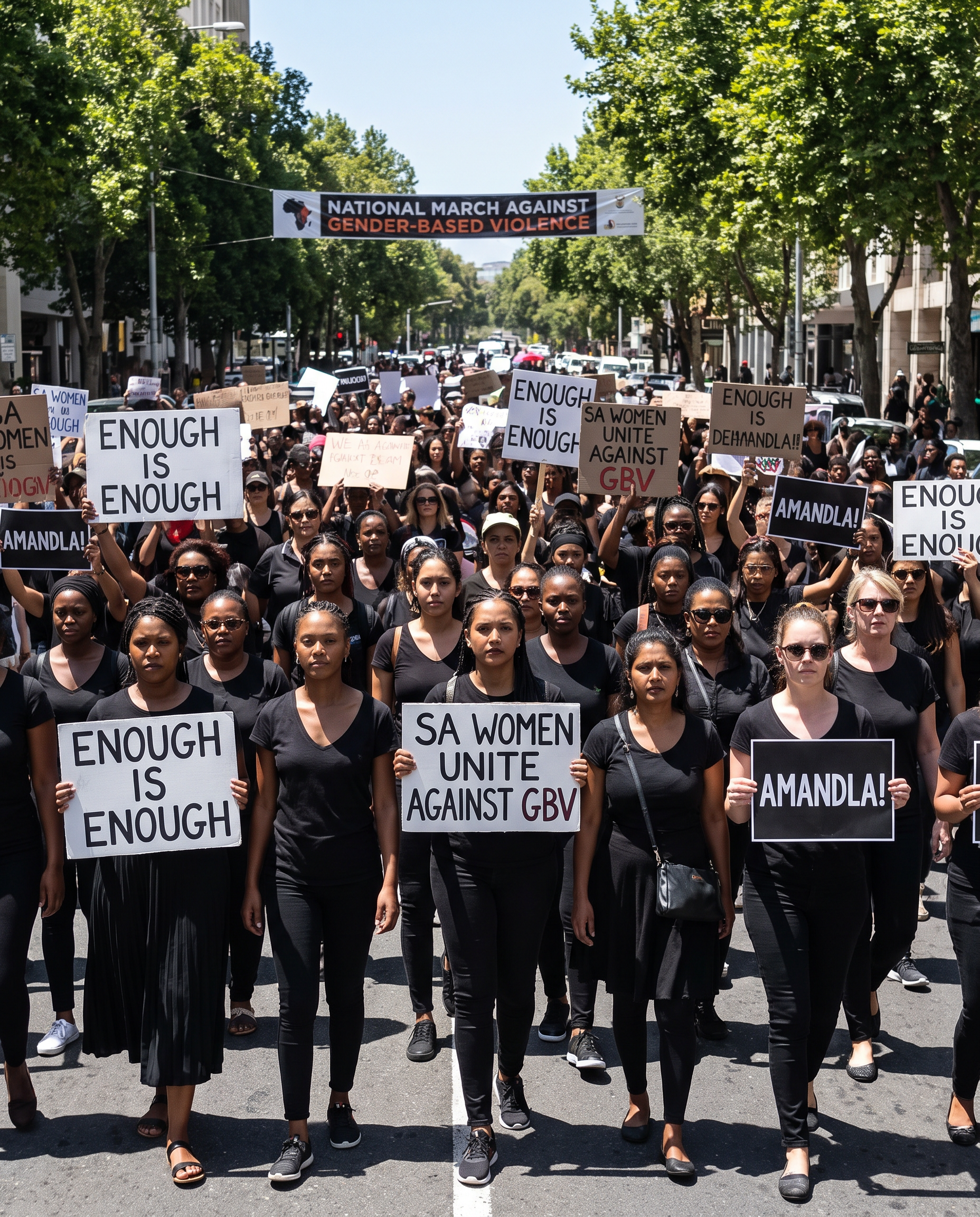
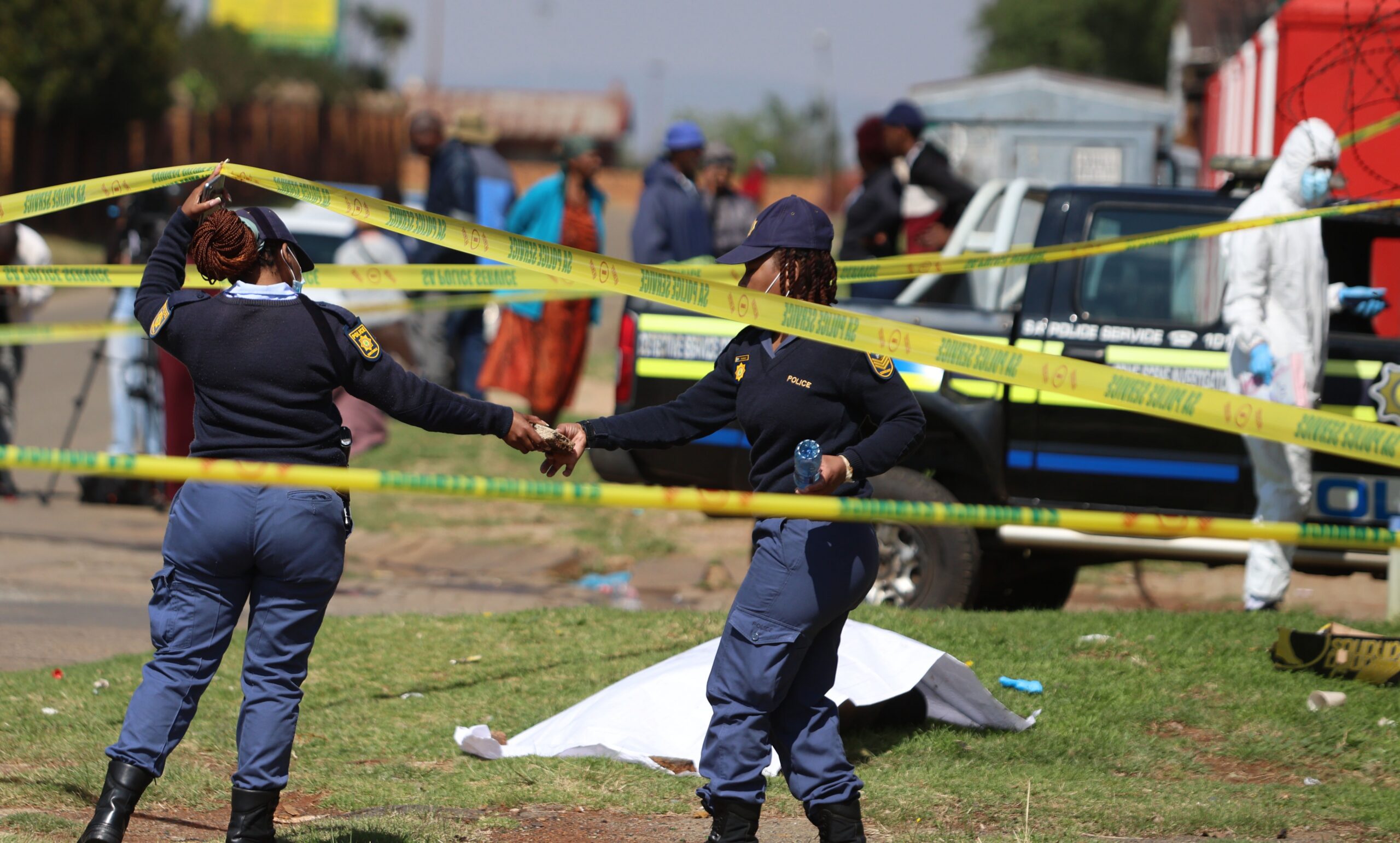
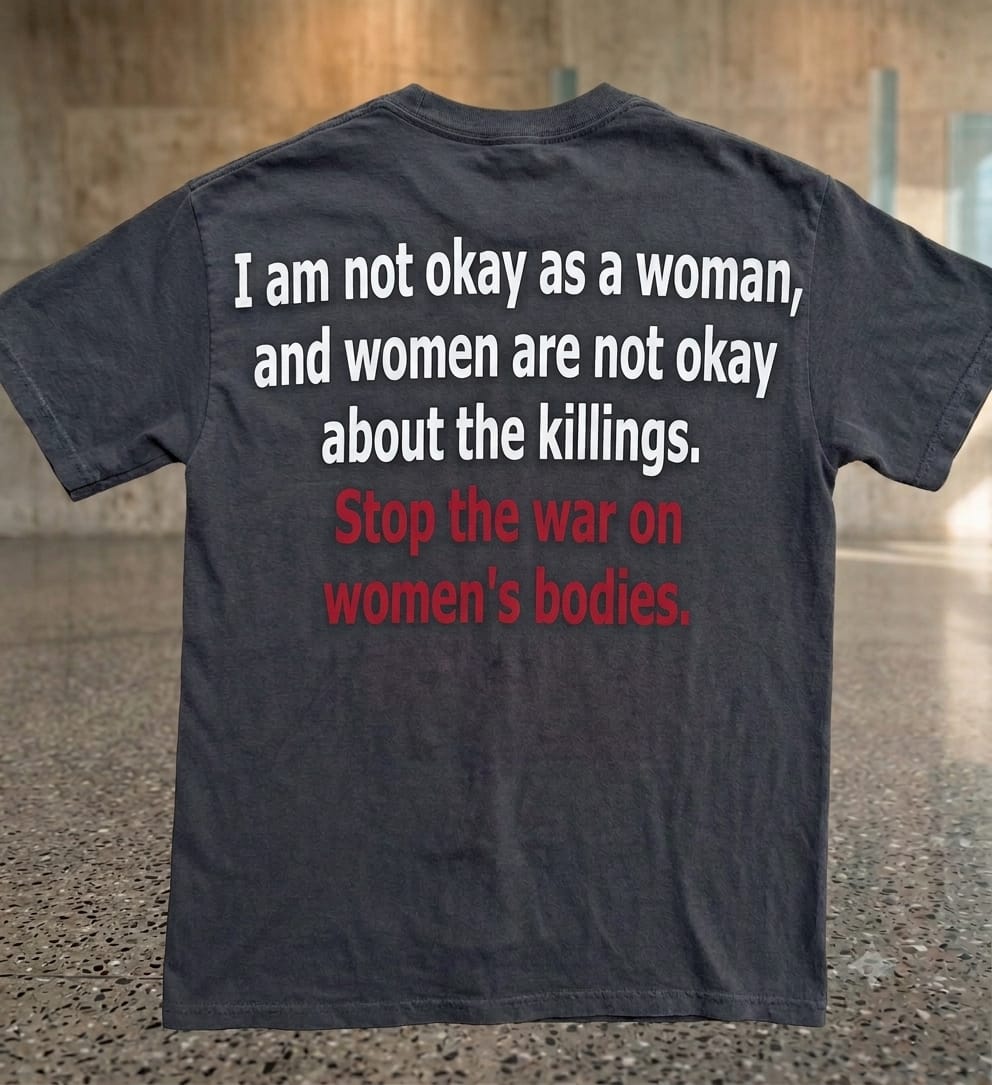
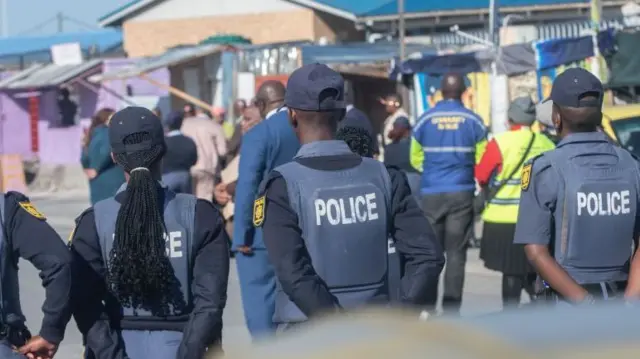
South Africa was gripped by the Kempton Park murders of women, set against the backdrop of GBV rates that are already devastating. Everywhere I turned, women were saying the same thing: I don’t feel safe.
I didn’t feel safe either. The headlines pulled up memories I thought I had made peace with: the domestic abuse I endured many years ago. I was triggered and unsettled. But I have worked hard to heal, and that work held. I could feel the old fear, name it, and keep my feet on the ground.
Then life played a cruel trick.
Three messages in a few weeks
The first came from an ex I left 23 years ago because of the abuse. I had blocked him everywhere, and still a message found its way to me. He wanted to meet to discuss something. The fear rushed back, and I felt vulnerable.
The second came from a relationship that was toxic but intensely bonded, and I still find it hard to explain. He said he wanted to see me because I was the only one who could understand him. I felt unnerved and cautious.
The third came from thirty years ago. Yes, thirty. He said he had been watching me on social media. He apologised for his violent behaviour, then said he wished we could have another chance. I felt confused, and vulnerable.
Any one of these would have been a lot. Three in a couple of weeks, on top of a national wave of violence, was almost too much to hold.
For two months I had been off two of my three bipolar medications. The government hospital where I collect them had been out of stock for about six months. At first I bought them myself, but other expenses came up, and for two months I went without.
So when the triggers arrived, my defences were already thin. I was teetering on the edge of the abyss. And then… I slipped in. It is hard to explain what happens when I become depressed and dissociated. It is a dark and lonely place. Very often I withdraw completely and ride it out in emotional agony.
This time, something was different.
Reaching out
Because I work with We Will Speak Out SA and the Faith Action Collective to End GBV, and have shared my journey of domestic violence and mental health with them, I knew I could be honest. On a Monday morning, I told my sisters in our core team meeting what was happening. I told my pastor and a couple of women in my church. I also told my sons and a few people close to me.
That is the thing I want you to remember from this story. The depression did not magically lift. I still spent three weeks clawing my way out. But I was not doing it alone, and that changed everything.
Eventually the hospital got one of the medications back in stock, and I bought the other. It takes about two weeks to settle on medication, and I passed that mark yesterday. I’m feeling much better, and I’m on an even keel again.
So what did I learn?
1. Healing is a practice, not a finish line. Years after the abuse, a few messages could still send me back to fear. But my healing work meant I could recognise what was happening and not be swallowed by it.
2. Trauma and mental health are tangled together. I had been pondering the link between GBV and mental health. This month I experienced how stress, fear and memory can pile onto an illness I already live with, until it is too much to carry alone.
3. Access to medication is a mental health justice issue. A six-month stock shortage, and the cost of filling the gap privately, put me at risk. It shouldn’t depend on who can afford to top up. For anyone on medication, if supply runs short, please speak to your clinic, doctor or pharmacist early, and don’t stop or change medication on your own.
4. Reaching out is the lifesaver. My instinct in the dark is to hide. Honesty with people who understand got me through. Safe spaces are built before the crisis, not during it.
5. Contact from someone who hurt you can reopen old wounds, even decades later. The fear, caution and confusion I felt were not an overreaction.
6. Recovery takes time. Three weeks of struggle and two weeks to settle on medication. I’m learning to be patient with myself.
A message for you
If you are in a dark place right now: you don’t need the right words. Tell one person today. “I’m not okay” is enough.
If someone from your past has resurfaced: take your time, tell someone you trust, and remember that you owe nobody access to you. If you feel unsafe, speak to a GBV support service.
If you live with a mental health condition: be honest with those around you, and don’t let a shortage of medication or money go unspoken.
If you love someone who goes quiet: check in, even if they don’t reply. Some of us withdraw when we are struggling most.
If you are part of a faith community, workplace or team: build the kind of space where someone can say “I’m not okay” on a Monday morning, and be met with care.
In a month when so many women said they don’t feel safe, I learnt that safety is also something we build inside ourselves and between each other. Healing is not weakness. It is the bravest work I know.