Dr Leonora Alberts Vilakazi
Restorative practices offer a holistic approach to addressing bullying, gender-based violence (GBV), rape, and other forms of violence in schools, communities, and faith-based organisations, focusing on repairing harm, building relationships, and fostering a supportive environment. This blog outlines the key components, benefits, and implementation strategies for restorative practices, with a focus on supporting women, children, victims and survivors of violence, and vulnerable populations in various settings.
Key Components of Restorative Practices
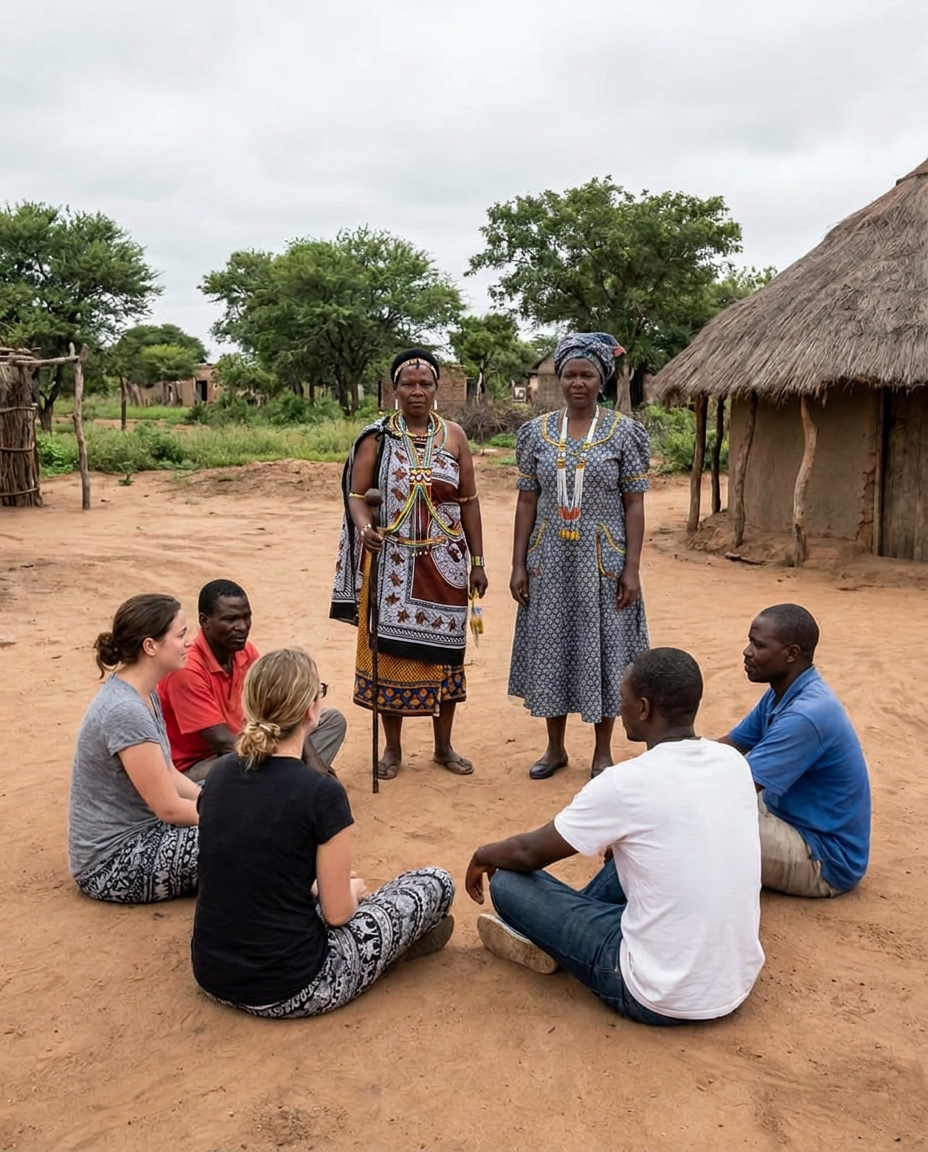
- Restorative Circles
– Purpose: Provide a safe space for open dialogue where individuals can share their feelings and experiences.
– Impact: Foster empathy and understanding among individuals, helping them see the impact of their actions on others.
- Restorative Conferences
– Purpose: Bring together the survivor, the perpetrator, and other affected parties to discuss the incident and its impact.
– Impact: Promote accountability and allow the perpetrator to understand the consequences of their actions, while giving the victim a voice in the resolution process.
- Restorative Questions
– Purpose: Guide the conversation to focus on what happened, who was affected, and how to make things right.
– Impact: Encourage reflection and responsibility, helping individuals learn from their mistakes and make amends.
Addressing Specific Forms of Violence
- Gender-Based Violence
– Approach: Provide a safe and supportive environment for survivors of GBV, particularly women and girls, and hold perpetrators accountable for their actions.
– Benefit: Create a culture of respect and empathy, reducing the incidence of GBV.
- Rape and Sexual Assault
– Approach: Ensure that survivors receive support and resources, and that perpetrators are held accountable through restorative processes.
– Benefit: Foster a culture of consent and respect, reducing the incidence of rape and sexual assault.
- Bullying and Harassment
– Approach: Address bullying and harassment through restorative circles and conferences, promoting empathy and understanding.
– Benefit: Create a positive and inclusive environment, reducing the incidence of bullying and harassment.
- Spiritual Abuse
– Approach: Address spiritual abuse through restorative practices, promoting healing and accountability.
– Benefit: Create a safe and supportive environment for individuals who have experienced spiritual abuse.
Supporting Vulnerable Populations
- Women and Girls
– Approach: Provide support and resources for women and girls who have experienced violence or abuse.
– Benefit: Help women and girls heal and build resilience, promoting empowerment and wellbeing.
- Children
– Approach: Provide age-appropriate support and resources for children who have experienced violence or abuse.
– Benefit: Help children heal and build resilience, promoting healthy development and wellbeing.
- Faith-Based Communities
– Approach: Engage faith-based communities in promoting restorative practices and addressing violence.
– Benefit: Create a culture of peace, respect, and empathy, promoting healing and accountability.
Healing Spaces
- Creating Safe Spaces
– Approach: Create safe spaces for individuals to share their experiences and receive support.
– Benefit: Promote healing and accountability, reducing the incidence of violence.
- Restorative Practices in Faith-Based Settings
– Approach: Implement restorative practices in faith-based settings, promoting healing and accountability.
– Benefit: Create a culture of peace, respect, and empathy, promoting healing and accountability.
Benefits of Restorative Practices
– Reduced Incidents of Violence: Implementing restorative practices can lead to a significant reduction in bullying, GBV, and other forms of violence.
– Improved Relationships: Fostering empathy and understanding can lead to improved relationships and a more positive environment.
– Healing and Accountability: Restorative practices can promote healing and accountability, reducing the incidence of violence.
Implementation Strategies
- Training and Professional Development: Provide training for individuals on restorative practices, GBV, and other forms of violence.
- Establish Restorative Circles and Conferences: Regularly schedule restorative circles and conferences to address incidents and build relationships.
- Engage the Community: Involve individuals, organisations, and faith-based communities in the implementation and maintenance of restorative practices.
- Monitor and Evaluate: Regularly assess the effectiveness of restorative practices and make adjustments as needed.
By following this guiding document, individuals and organisations can effectively implement restorative practices and create a safer, more supportive, and more inclusive environment for all.