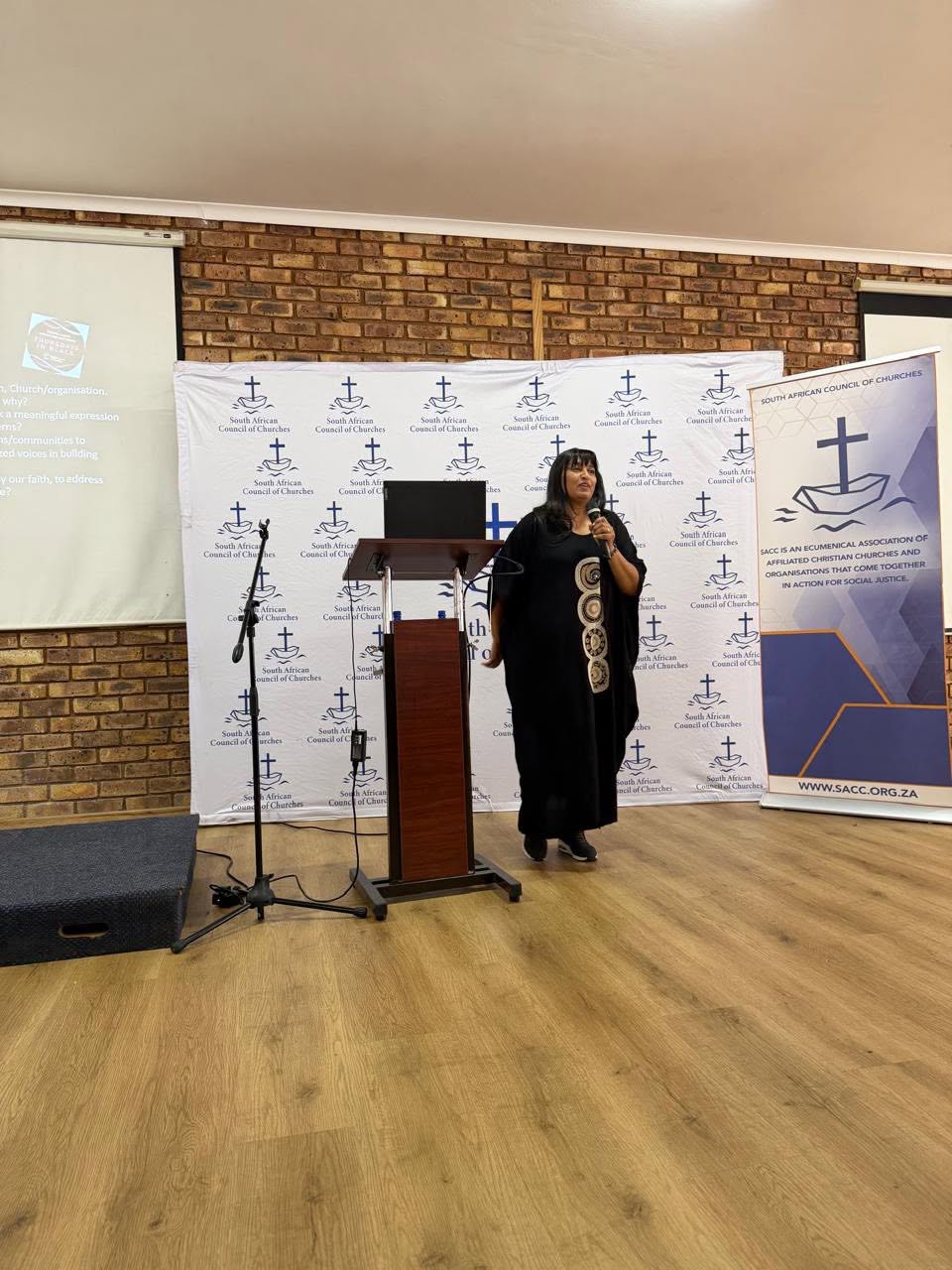
The CRL Commission launched a new Section 22 Sub-Committee focused on gender-based violence and femicide (GBVF) in sacred spaces, including Christian and African Traditional settings. The event occurred on 3 February 2026, with invitees from We Will Speak Out SA (WWSOSA) and the Faith Action Collective to End GBV, as well as survivors, activists, and faith-based workers.
CRL Chair Thoko Mkhwanazi Xaluva explained that the subcommittee’s mandate aims to protect religious freedoms while ensuring survivor voices help shape self-regulation and accountability mechanisms for religious and traditional sectors. The initiative reflects the CRL’s commitment to safeguarding vulnerable people and incorporating survivor, activist, and scholarly perspectives into proposed reforms.
Attendees included several CRL Commission members and diverse survivors and activists, many of whom work on GBV within faith communities. Three commissioners, led by the Chair, are driving the effort to establish the subcommittee.
Although time for in-depth engagement was limited, the gathering established a foundational mandate and broad support for the subcommittee. There was consensus that survivor input is essential to shaping recommendations for Parliament. Questions were raised about how subcommittee members will be chosen and what powers they will have to influence outcomes, given the power dynamics of the existing Sec 22 Committee. The Chair noted that input would come from invited individuals and organisations based on expertise.
The meeting also broadened the definition of survivors to include women, children, LGBTIQ+ individuals, and vulnerable men.
Key work areas outlined by the Chair:
- Purpose: How will proposed self-regulation structures protect abuse victims in sacred spaces? The Chair rejected the view that “the law must take its course” as sufficient, arguing that the South African legal system often fails survivors and that many cases never reach courts despite severe abuse and violations of dignity, bodily integrity, and religious freedom. The Subcommittee’s work aligns with the Section 22 TOR, which include a Code of Conduct, practitioner registration, and accountability mechanisms.
- Process: A threefold approach
- Specialised research to diagnose and treat the problem. Focus areas include:
- Understanding grooming processes that gradually hijack victims’ minds (Cheryl Zondi’s phrase) and parallels to cult dynamics; Erika Bornman was identified to lead this line of inquiry, given her earlier exposure of abuses at Kwasisabantu Mission.
- Documenting spiritual abuse and GBVF experiences among LGBTIQ+ community members in Christian places of worship and healing sectors.
- Examining the experiences of abused men in the faith sector and exploring the psychology of spiritual leaders who weaponise faith for abuse and control.
- Early collaboration with partner organisations to facilitate provincial dialogues among survivors, activists, and scholars. The process must be confidential, safe, and inclusive, with intentional facilitation and access to psychological support to acknowledge the trauma and courage involved in sharing stories and offering critique.
- Outcome: A document to be presented to the Section 22 Committee and Parliament, capturing survivors’ recommendations for safe, inclusive places of worship and learning where religious freedom and personal dignity can thrive.
- National alignment: The subcommittee’s outputs will be shared with the Department of Women, Youth and Persons with Disabilities and the National GBVF Council (once operational), ensuring linkage with broader strategic plans and governmental initiatives.
Media Conference
The event was somewhat underwhelming for media coverage, as outlets were diverted to cover a funeral for a Gauteng Member of Parliament. Daniela Gennrich represented faith-sector GBVF work and spoke after three survivor testimonies. She called for a moment of silence for all survivors, including those still unable to speak, and the subcommittee’s establishment was affirmed as a groundbreaking national step prioritising survivor leadership. Its potential to shift the GBVF narrative in South Africa was highlighted.
Way forward for WWSOSA and partners
WWSOSA and the Faith Action Collective emphasise ongoing engagement with the subcommittee, offering support and collaboration. We plan continued dialogue and action, with further updates as the journey unfolds. The aim is to ensure survivors’ leadership guides practical reforms that make sacred spaces safer and more dignified for all.