By Dr Leonora Alberts Vilakazi
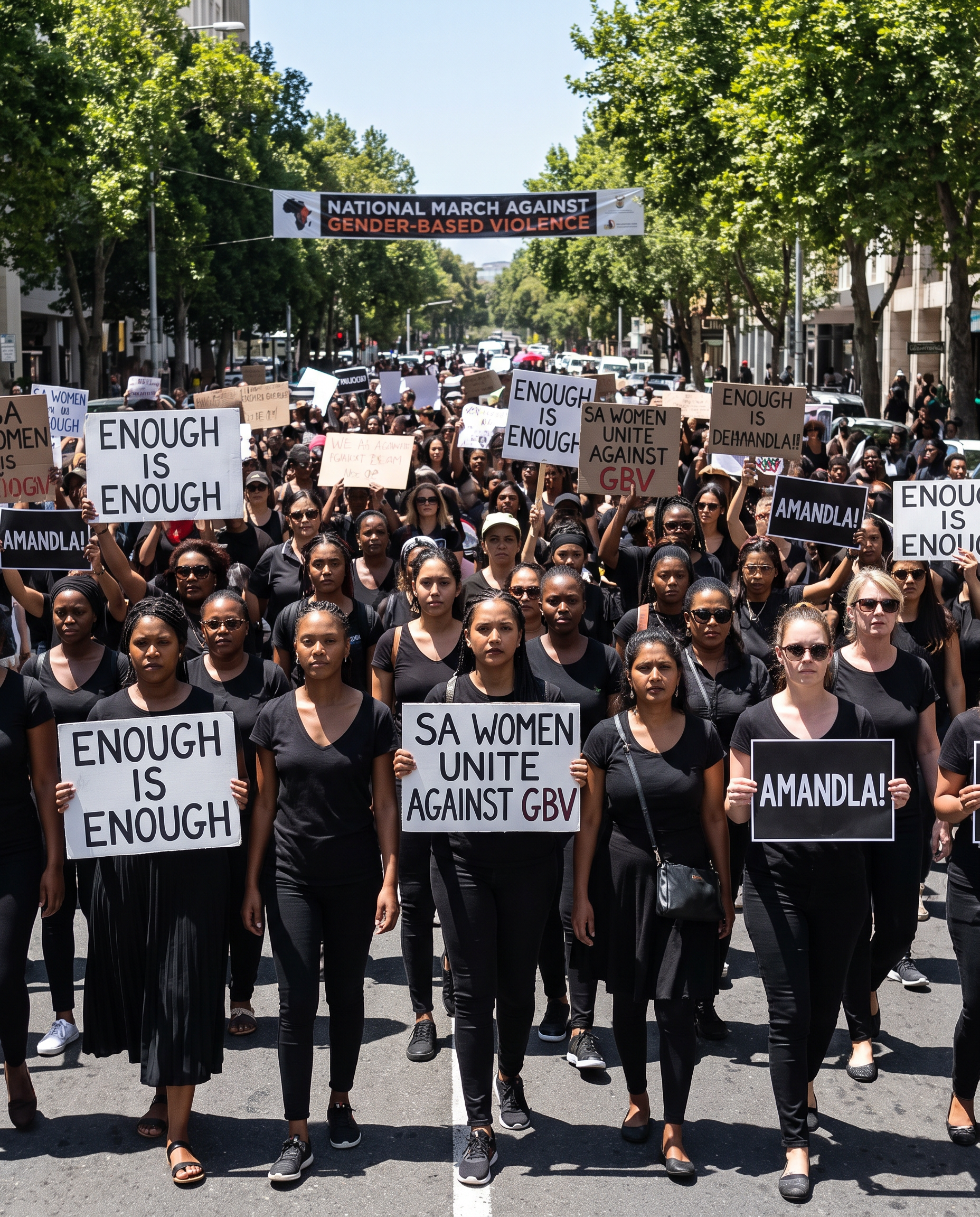
As South Africa prepares to commemorate National Women’s Day on August 9th, a day that honours the courageous women who marched in 1956 against oppressive pass laws, it’s vital to acknowledge all spheres contributing to the ongoing movement for gender equality. Among these, the faith sector stands as a powerful, yet often overlooked, force in advancing gender justice and combating the pervasive scourge of Gender-Based Violence (GBV).
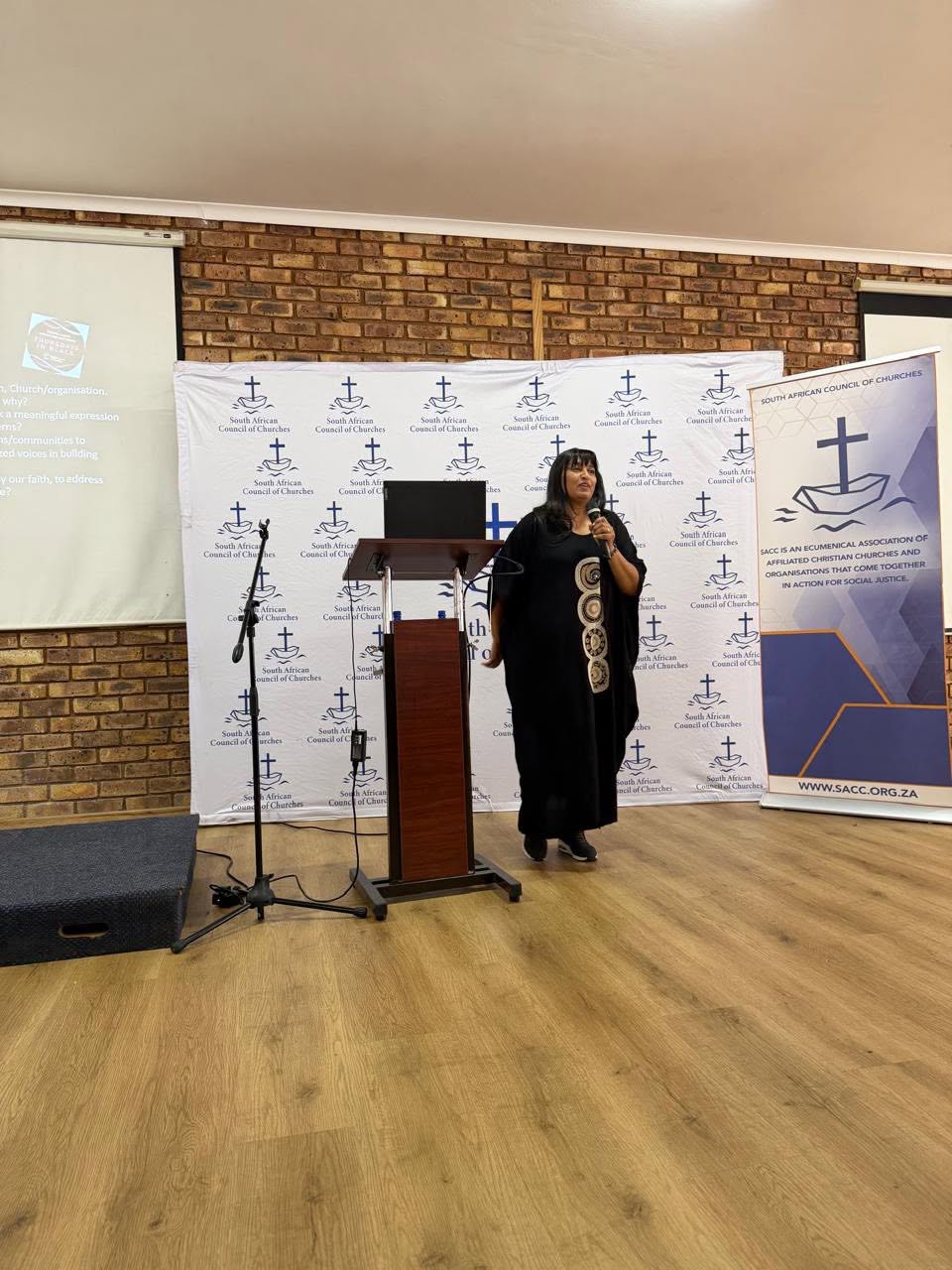
Historically, religious institutions have sometimes been perceived as perpetuating patriarchal norms. However, a growing movement within diverse faith traditions is actively challenging these harmful interpretations and leveraging their immense influence to foster environments of equality, dignity, and safety for women and girls.
The Interfaith Sector: A Deep-Rooted Influence and Unparalleled Reach
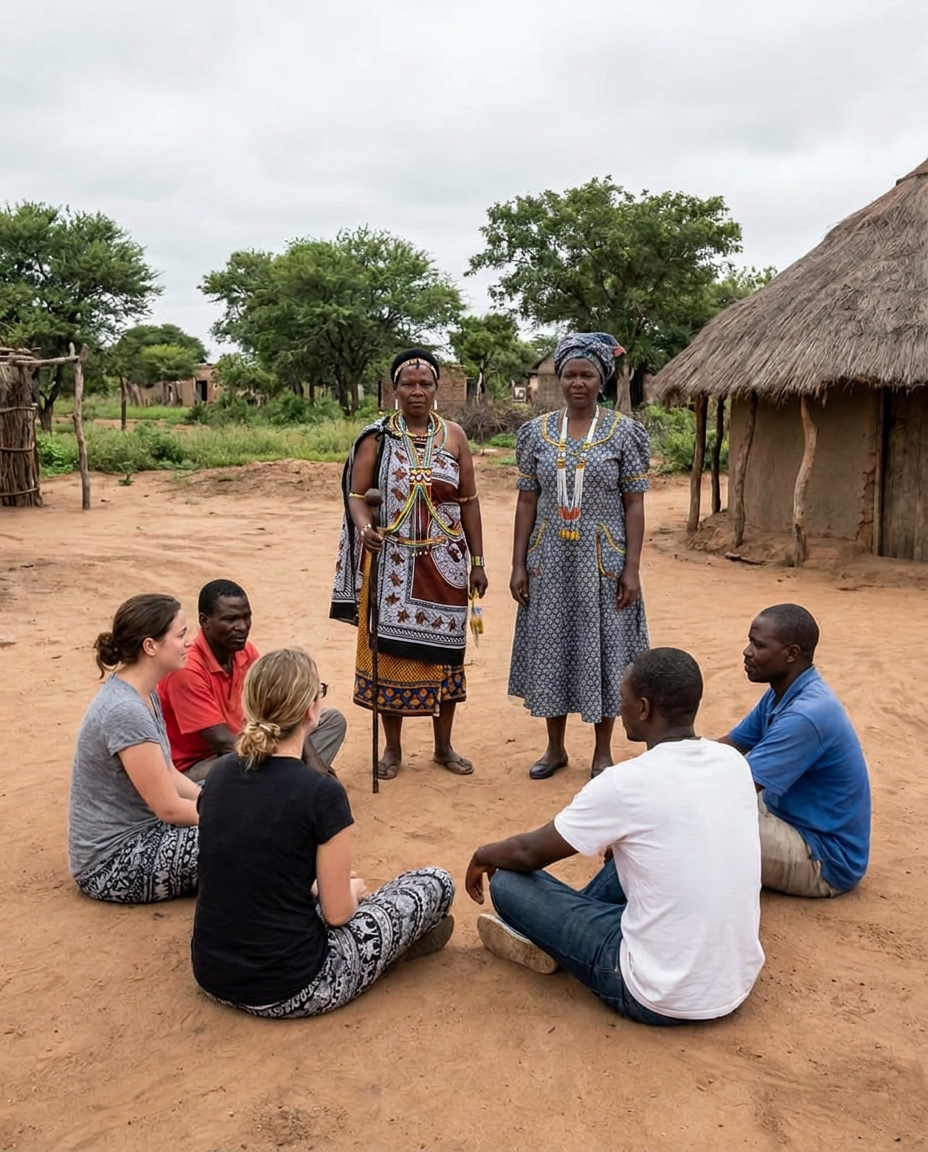
Faith-based organisations (FBOs) are uniquely positioned within communities, offering unparalleled reach and a trusted platform. Religious leaders often serve as the first point of contact during crises, including instances of GBV, granting them a critical role in several capacities:
- First Responders and Support Systems: FBOs frequently provide immediate pastoral care, counselling, and spiritual guidance to survivors of GBV. They offer safe spaces, connect individuals to vital legal and medical services, and cultivate a sense of community crucial for healing.
- Moral and Ethical Guides: Religious leaders hold significant influence over social norms and values. By reinterpreting sacred texts through a lens of gender equality and advocating for respectful relationships, they actively dismantle harmful patriarchal beliefs and promote the inherent dignity of all individuals, reflecting the theological emphasis on humanity being created in the image of God.
- Advocates for Policy and Systemic Change: The faith sector is increasingly aligning with national strategic plans, such as South Africa’s National Strategic Plan on Gender-Based Violence and Femicide (NSP on GBVF). FBOs engage with government structures and civil society to ensure accountability, advocate for stronger legal frameworks, and push for the effective implementation of policies protecting women’s rights.
- Mobilizers for Prevention: Through sermons, workshops, and community outreach, faith communities educate congregants about the causes and impact of GBV. They challenge toxic masculinities and engage men and boys as allies in the fight for gender justice, fostering a culture of consent and respect.
Challenging the Narrative, Embracing the Imperative
While acknowledging that some interpretations within faith can unfortunately contribute to gender inequality, it’s crucial to highlight the significant efforts of those within the faith sector who are actively working to reinterpret texts and traditions in ways that champion gender justice. They recognise that the call for gender justice is not merely a social or political agenda, but a profound theological and moral imperative. If every person is created in the image of the divine, then any system or belief that oppresses based on gender is contrary to that divine intention.
Moving Forward: Collaboration and Commitment
On Women’s Day, and every day, we must recognise and support the vital work of the faith sector in addressing GBV and promoting gender equality. This requires:
- Continued Dialogue and Collaboration: Fostering stronger partnerships between FBOs, government, and civil society is essential for a comprehensive and effective response to GBV.
- Empowering Women Faith Leaders: Supporting the rise and sustained presence of women in leadership roles within faith institutions can bring diverse perspectives and more nuanced understandings of women’s lived experiences to the forefront.
- Investing in Faith-Sensitive Approaches: Recognising and addressing the unique spiritual and cultural needs of survivors within faith contexts is crucial for providing holistic support.
- Challenging Internal Barriers: Faith communities must continue to examine and dismantle patriarchal and exclusionary practices within their own structures.
This Women’s Day, let us celebrate the strides made and acknowledge the ongoing challenges. Let us particularly shine a light on the faith sector – a powerful and often underestimated ally – in its unwavering commitment to building a South Africa where all women and girls can live free from violence and with full equality and dignity. Their voices, rooted in faith and compassion, are integral to turning the tide on GBV and realising a truly just society.