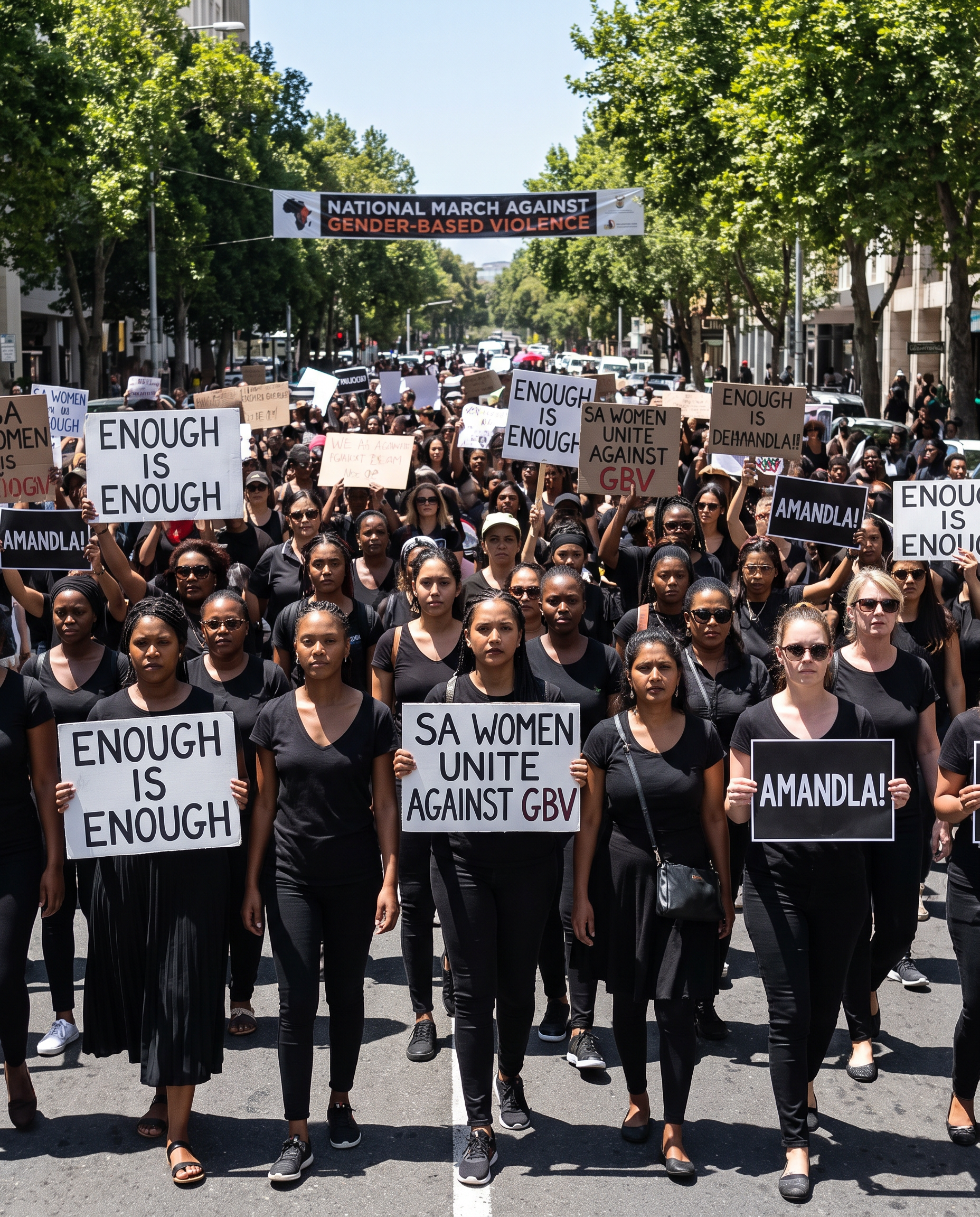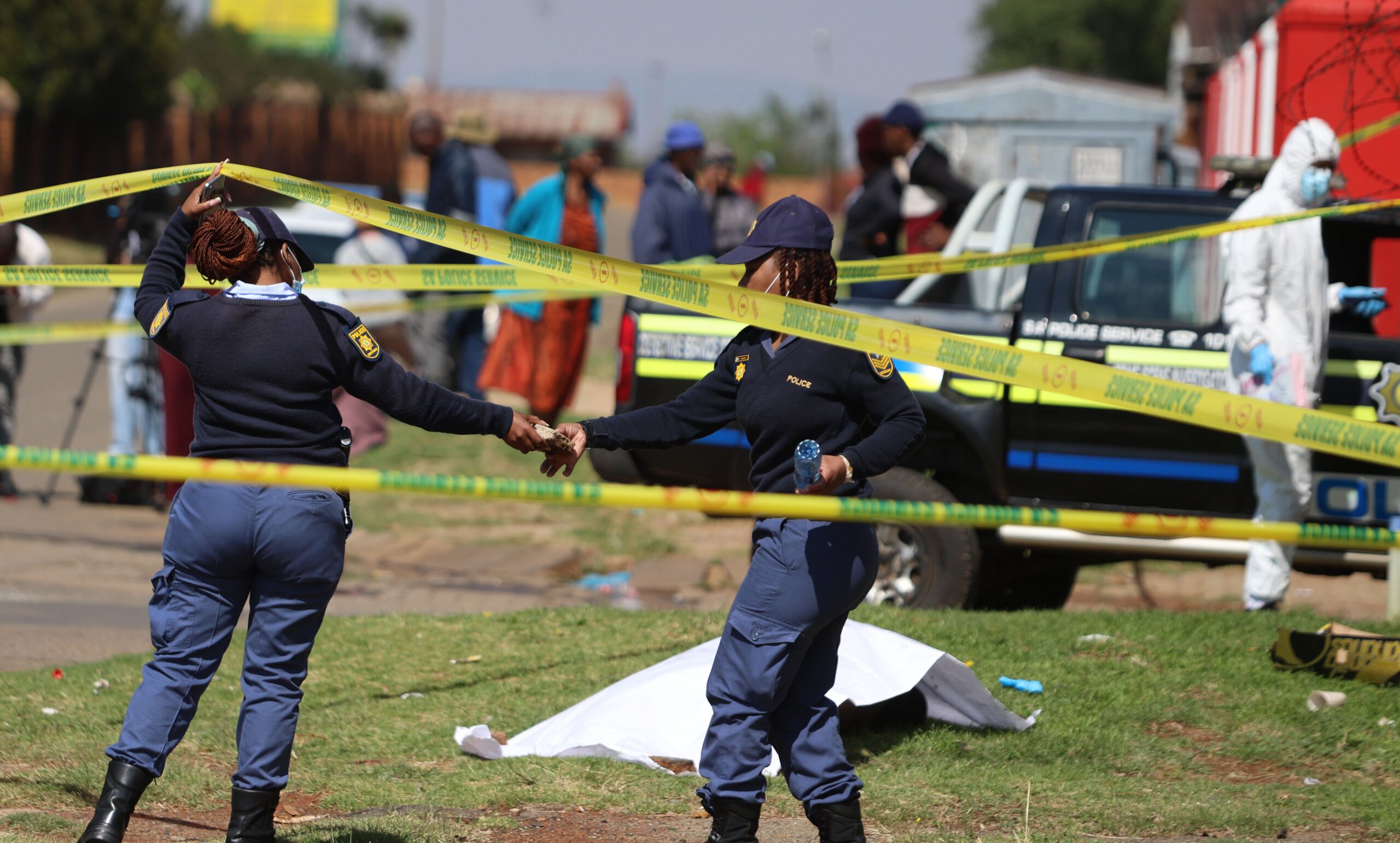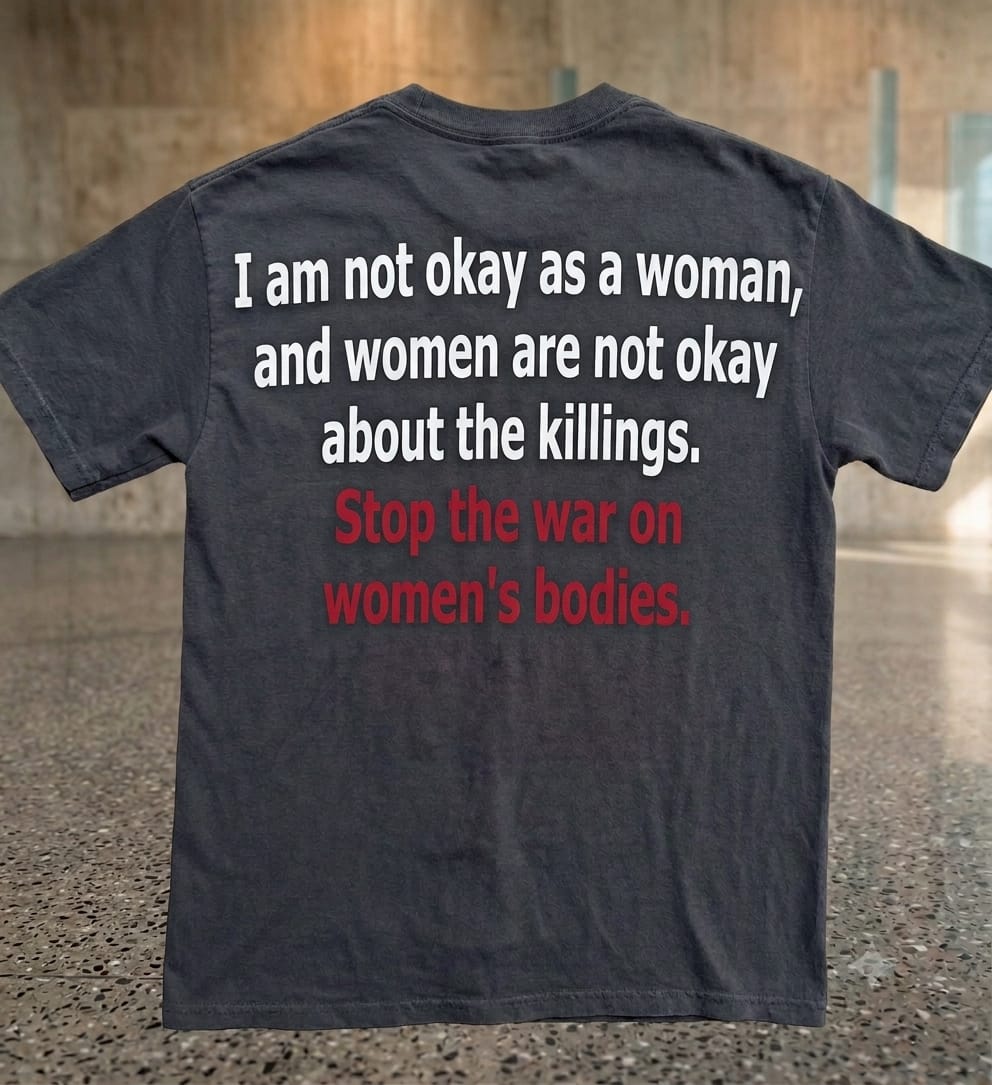
As we mourn the loss and honour the memory of 8 women who were brutally murdered in the Ekhuruleni area in the past 2 months, we acknowledge that the country is in shock. We are all traumatized. And so we should be.
And we should not take away from the horrors of this deeply painful story.
But we need also to ask ourselves about a pattern that we seem to fall into in this country. We are responding with so much outrage now, and then when the media hype dies down, we will go back to our lives and live as if everything is normal. We saw it after Uyinene never came back from the post office to collect a care package from her mother. We did it when Sandile Mantshoe, an elder in his church, saw fit to murder his girlfriend Karabo Mokoena and move her body from her flat in a wheelie bin to dispose of it. We remember these high-profile cases – they remain somewhere in our memories but we forget their names and the details of their stories – and we get on with our lives as if all is well…
If we take even a cursory look at some of the GBVF statistics for our country, we have to realise this time, we can never go back to ‘business as usual’.
As we read the stats, let us not forget that each number is a person who has lived, loved and has left a huge gap in the lives of her family, her children, her parents and friends. Each number is a story, a human being made in the image of God…
Over the period April -June 2026, 569 women were killed – almost 119 per month, 6.3 per day, or one every 4 hours! SA’s annual femicide rate is 5 or 6 times higher than the global average.
During the same period, 1,052 women survived attempted murder – more than 330 per month, or 11 per day, one almost every 2 hours. I wonder how many of these survivors are still alive today? Have our systems been able to intervene to achieve justice for them and protect them from their would-be killer, so they can live in peace? If they are still alive, will they ever feel safe again? How long until their names are added to the femicide statistics?
What about the women whose life as they have known it will be ripped away from them when a man decides he has a right to use her body to show how powerful he is? Between April and June 2026, 9,201 total rape cases were logged, with 8,814 involving women and children. This means, yes, 387 cases involved men, but the vast majority destroyed the lives of women – and children.
If we consider what experts have told us, that we need to multiply the number of reported cases by at least 8, possibly 14 – the numbers are even more staggering.
Worse still – research shows that a high percentage (about 60%) of sexual offences and murders occur inside residences—either the victim’s or the perpetrator’s home—rather than in public spaces.
This means women are least safe in the place where they should be safest. Get your head around that!
In sum – WE ARE A COUNTRY AT WAR WITH ITSELF!
May the lives of these women never be reduced to statistics.
May their stories move us to action.
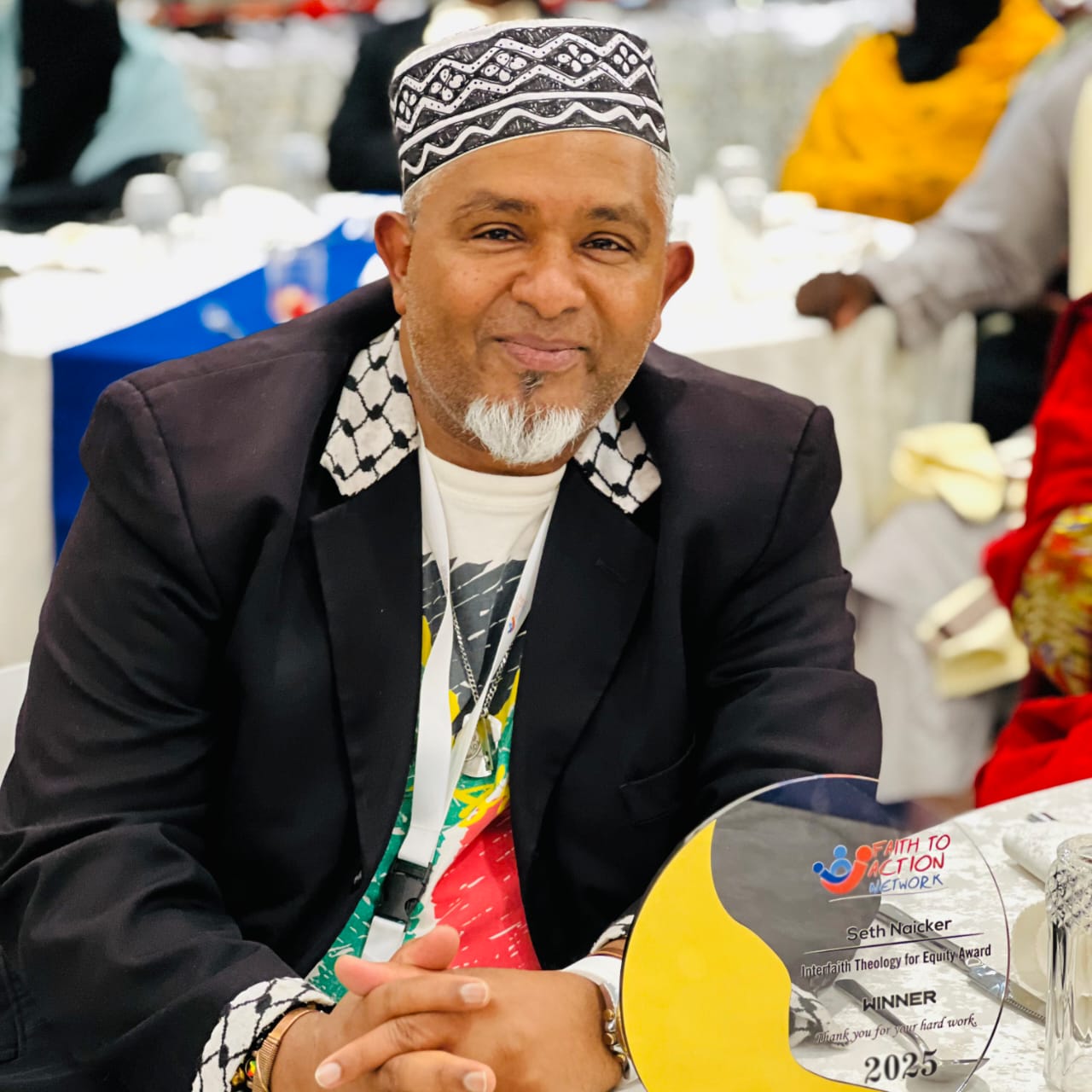
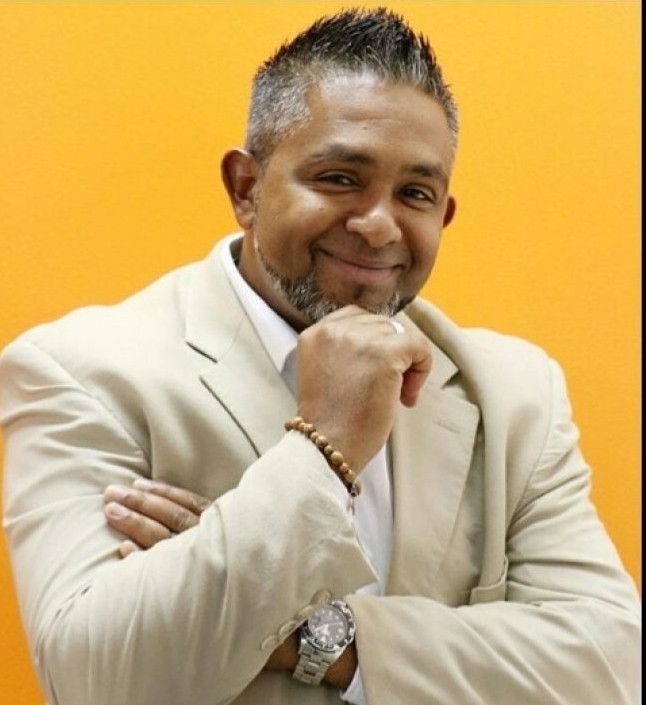
May our faith compel us toward justice. (Seth Naicker)
“Are women ever be safe anywhere?” is the question I was asked in a radio interview this morning. Yesterday I was asked by another radio programme: How can we protect ‘our women’?
Many people are saying that women should not run or take ubers alone, or even go for walks with their dogs or their friends…
It is not women’s responsibility to end violence against them.
We are asking the wrong question.
We should ask: What should MEN do to end GBVF? How can men become allies of women to end GBVF?
Let us talk directly to ‘our men’: What are you going to do to end this nightmare?
As long as men refuse to take accountability for the violence they are causing in our society, as long as they continue to avoid taking responsibility for their own brokenness and their inability to regulate their emotions, and begin on their own healing journey, GBVF will never end. Blaming women for their problems will not solve them.
There are so many opportunities and service providers that can support men to deal with their own mental health issues. It is not a shame or sign of weakness to ask for help – it is a sign of wisdom, or maturity and responsibility.
Hurt people hurt people. We are a generation that is still carrying the multiple woundedness of our past. Lashing out at those closest to us only hurts us as well.
We have inherited a legacy of violence, an underlying assumption that conflicts are solved by violence. Until we all, men and women, are willing to take responsibility for our own woundedness and do the inner work needed, we will forever destroy ourselves as we destroy others.
I get that there are many good men. Good men – what are you doing to call out fellow men when they make degrading remarks towards women, when they insult their partners in public, when they play the victim card? You need not be oppositional, but you need to be firm. You need to be humble and listen. Women are angry, scared and disappointed. All they want it to be respected, allowed to live fully, and certainly not be told that they “should stay indoors and be vigilant if ever they have to go out in case they might meet their murderer” (as a SAPS spokesperson said recently on radio).
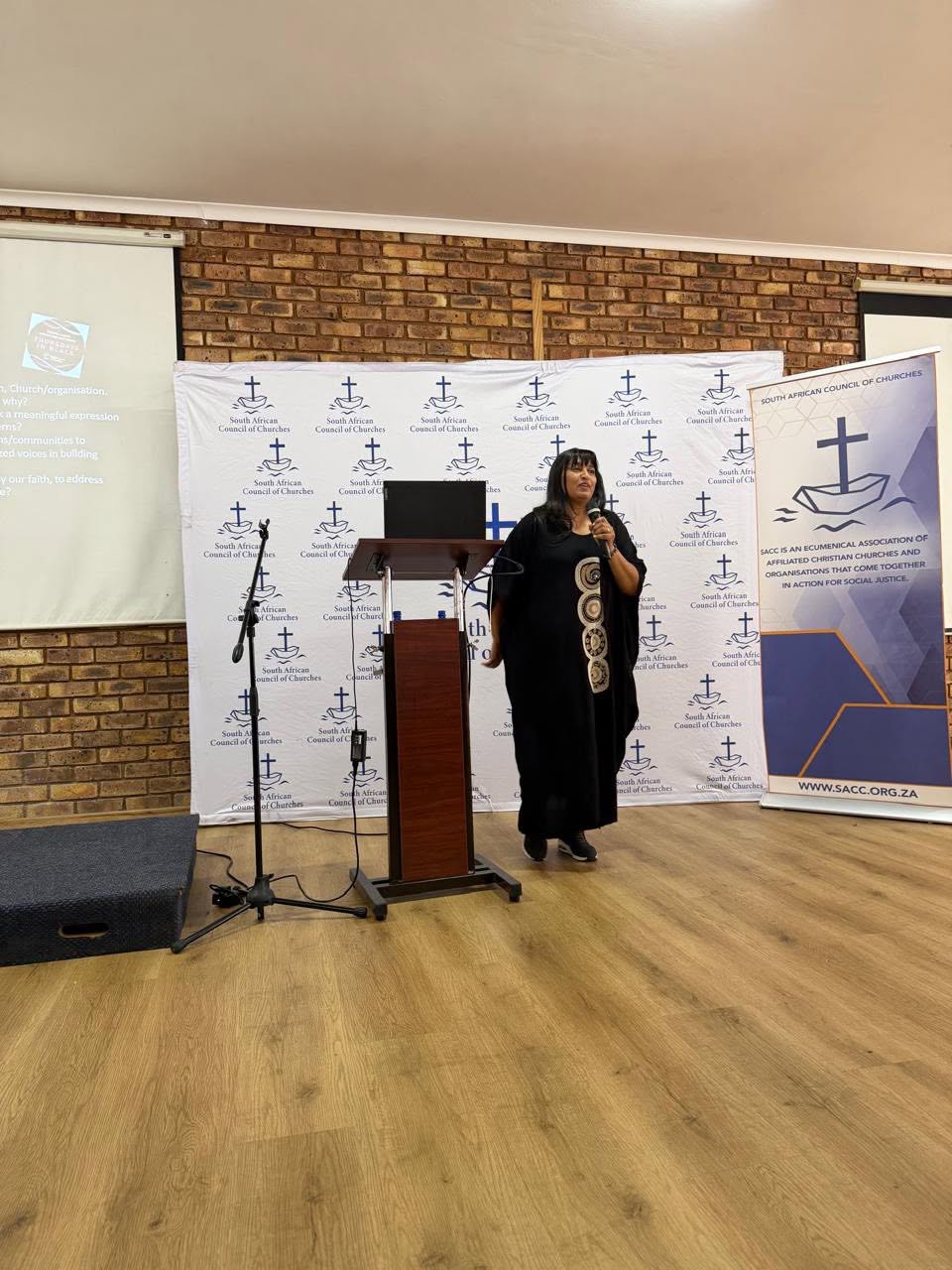
Yesterday, at the annual National Shelter Movement Indaba, a panel of men spent time reflecting on what this crisis means for them, for all of us.
To quote from a brief reflection on this moment, read by Rev Seth Naicker, one of our colleagues in the Faith Action Collective to End GBV, with permission:
I was reminded again that ending gender-based violence requires more than words. It requires courage. It requires accountability. It requires transformation. It requires all of us to examine the beliefs, behaviours, and systems that enable violence against women and girls.
As men, we have a responsibility to speak out, to listen, to learn, and to challenge the harmful forms of masculinity and patriarchy that wound women, children, and men….
We need to flip the script on how we teach, inform, and raise boys, men, and fathers.
There are other forms of masculinity — masculinities that care, serve, help, guide, shoulder burdens, support, protect, nurture, and walk alongside others.
I also want to add to both men and women – SEEK HELP for your relationship before things get out of hand – asking for help is strength and wisdom not weakness.
Finally – for those of us feeling overwhelmed and helpless, what can each of us do, as an individual, to be part of the solution?
If we want SA to be safe, we have to be safe spaces ourselves. We have to have the courage to examine our own woundedness, our biases and how we relate to others, in every one of our relationships – in our homes, places of worship, workplaces… We have to lead by example.
We have to ask ourselves – is how I live enabling others to live freely, to heal from their wounds and to flourish in their lives? If not, have the courage to examine why not? What will it take for me to let go of my own wounds, my own sense that the world owes me something – and allow others the space to be?
Daniela Gennrich, Coordinator of We Will Speak Out South Africa, Secretariat of Faith Action to End GBV coordinator@wwsosa.org.za 0845810622