By Dr Leonora Alberts-Vilakazi
Mental health is real. It is not an abstract concept confined to textbooks, medical journals, or distant conversations; it is on our doorsteps, in our living rooms, and interwoven with the daily realities of our communities. Today, mental health is more real and urgent than ever before. The pace of life, socioeconomic pressures, systemic inequality, and interpersonal conflict directly shape how one thinks, how one processes emotion, and how one carries the heavy weight of lived experiences.
For survivors of gender-based violence (GBV), mental health cannot be separated from trauma.
Trauma, whether it is a recent acute event or the lingering shadow of old wounds, fundamentally alters how a person experiences the world. It shifts baseline perceptions of safety, trust, self-worth, and human connection.
Unaddressed trauma sits in the body and mind, manifesting as anxiety, depression, post-traumatic stress, and physical fatigue.
To address the profound overlap between GBV, mental health, and emotional recovery, we must look at the whole person. We must examine where people seek solace, how spiritual and religious institutions respond, and how simple, tangible community-based practices can open doors to sustainable healing.
The Reality of Trauma: Living with the Weight of GBV
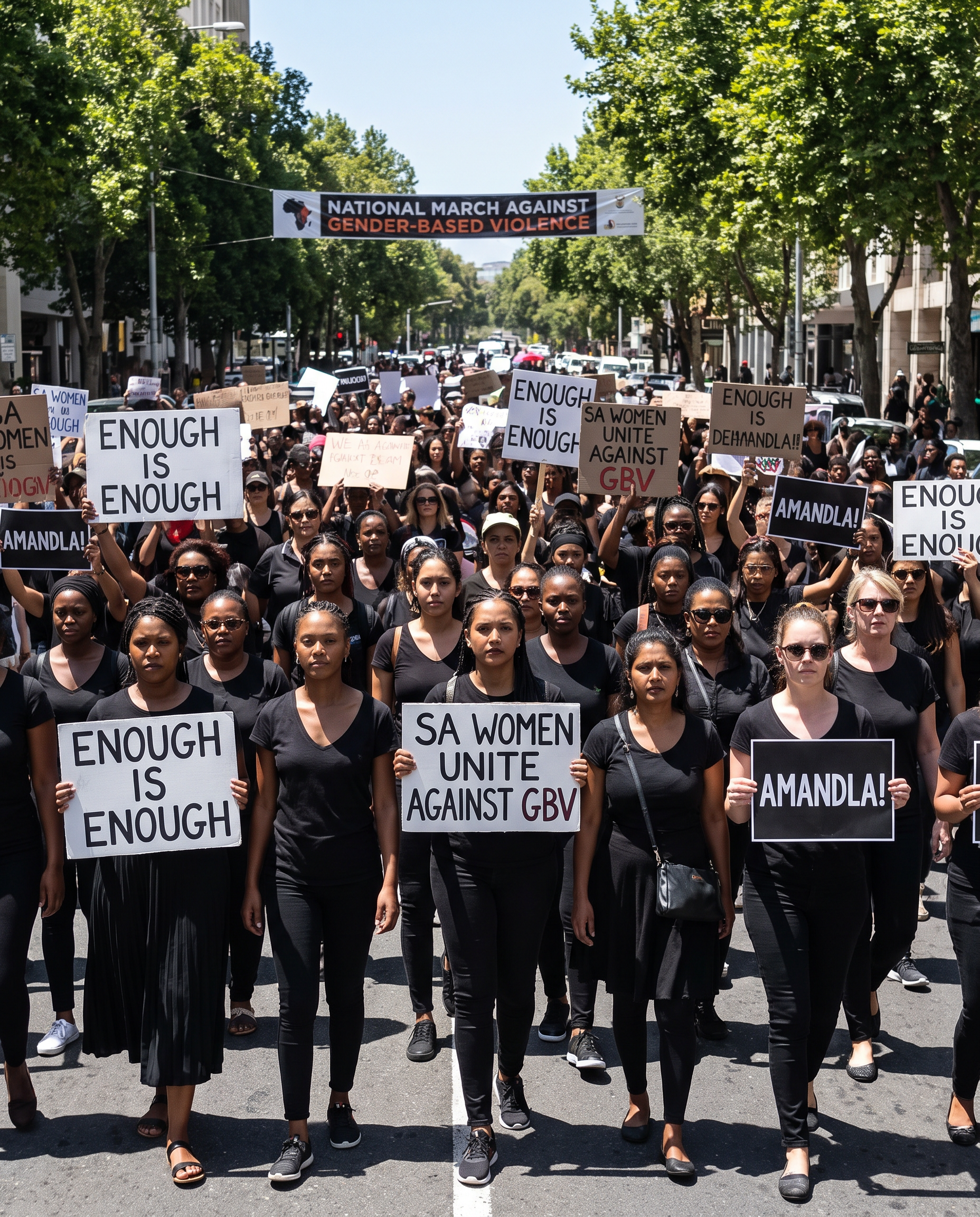
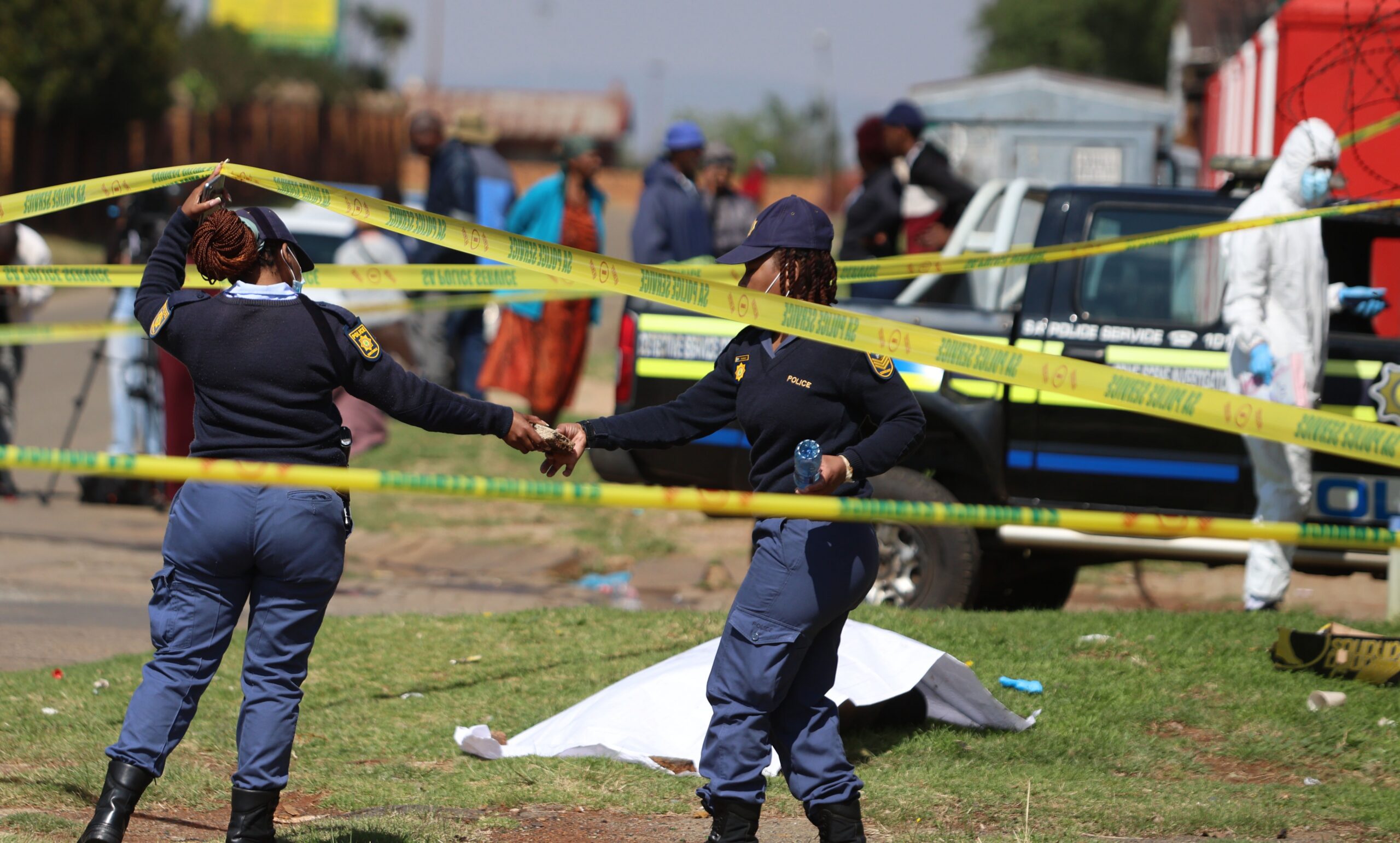
Gender-Based Violence remains one of the most widespread human rights violations globally.
Its impact extends far beyond physical injury; the emotional and psychological scars run deep, often persisting long after physical wounds have healed.
Trauma reshapes cognitive patterns. A person who has experienced abuse or violence may live in a state of chronic hypervigilance, constantly scanning their environment for danger.
Past trauma has a way of living in the present: a sudden sound, a familiar scent, or a specific tone of voice can trigger old wounds, bringing back memories and somatic reactions as if the threat were happening all over again.
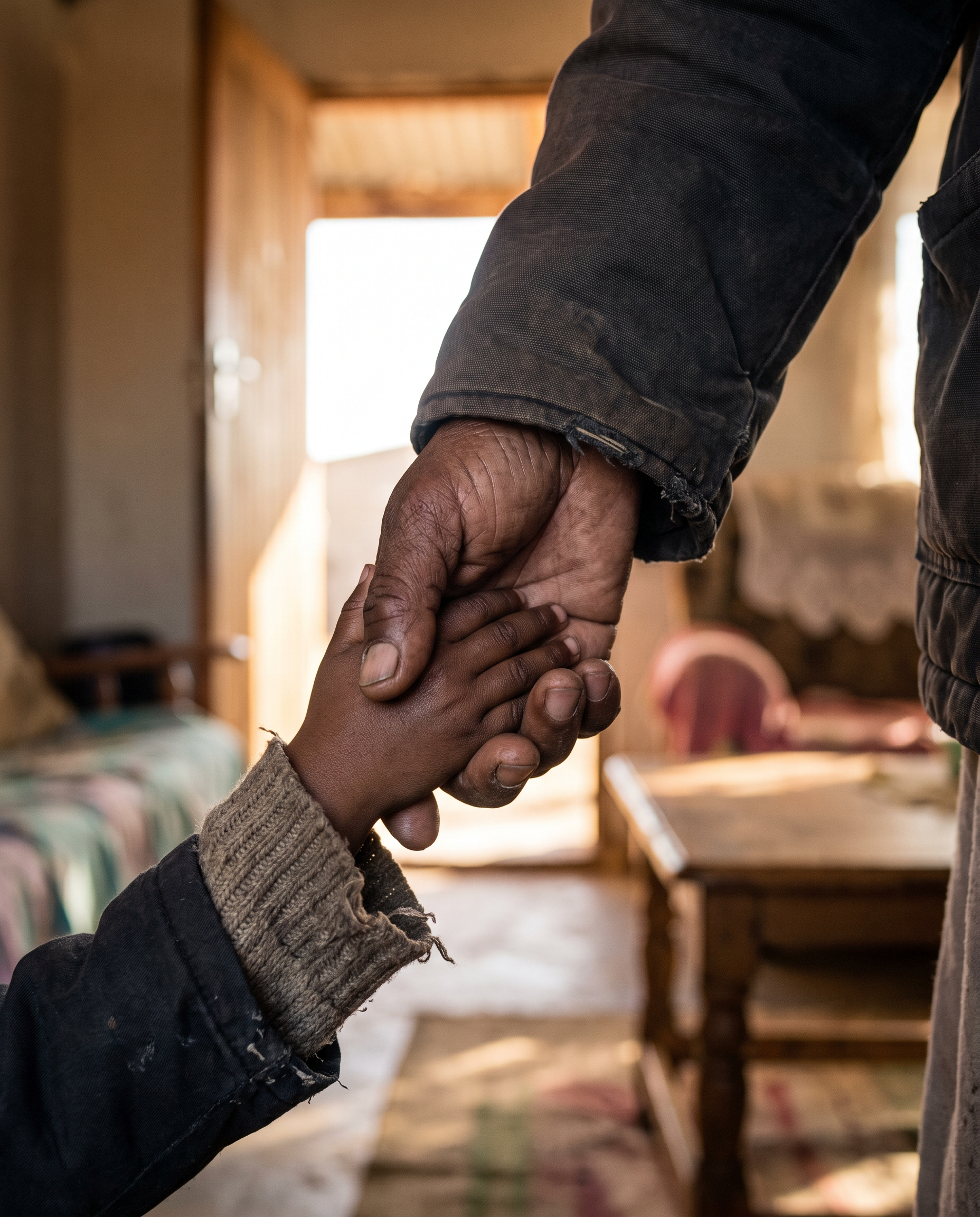
In many communities, survivors suffer in silence due to stigma, shame, or fear of retaliation. When mental health challenges are misunderstood, survivors may feel isolated, assuming their emotional pain is a personal failing rather than a natural response to extraordinary trauma.
Recognising that mental health is real and that trauma alters how one navigates daily life is the vital first step toward creating spaces of genuine recovery. Healing requires acknowledging that trauma is both a mental and physical experience. Restoring peace involves addressing emotional pain while grounding the body in safe, nurturing environments.
Faith, Interfaith Collaboration, and the Diversity of the Church
For billions of people around the world, faith is the primary lens through which they understand suffering, hope, and community.
Religion and spirituality play a central role in offering comfort during times of trial. However, the relationship between faith institutions, GBV, and mental health has historically been complex.
In the past, spiritual spaces have sometimes unintentionally worsened mental health struggles by minimising trauma, telling survivors to simply ‘pray more,’ ‘have more faith,’ or endure mistreatment for the sake of peace.
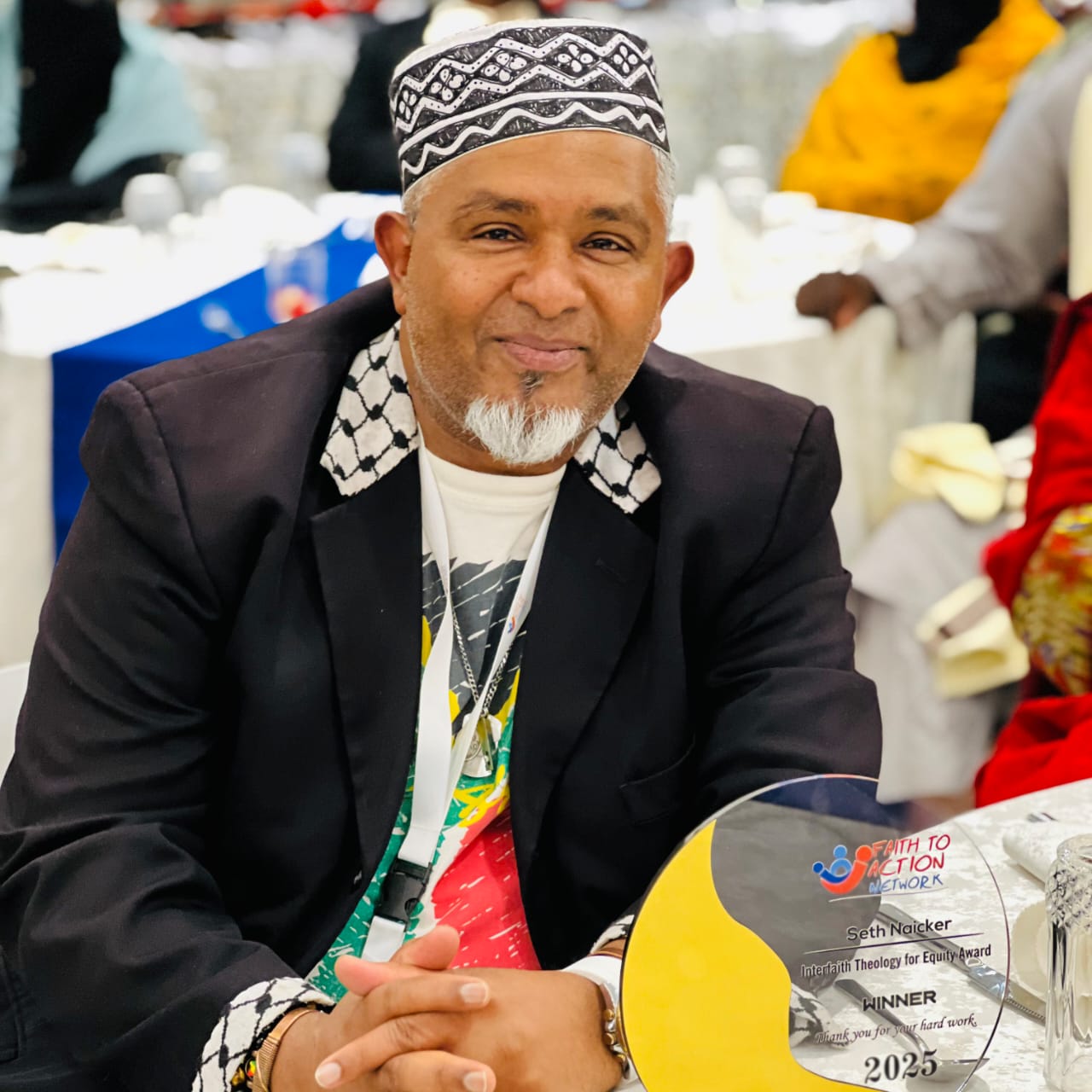
But a major shift has been taking place, in particular through the Faith Action Collective to End GBV and its secretariat We Will Speak Out (WWSOSA). Through our various initiatives, faith leaders and religious institutions are increasingly recognising their vital role in advocacy, safety, and psychological support.
1. Breaking the Stigma from the Pulpit
Faith communities hold immense moral influence.
When religious leaders openly speak about mental health, label GBV, and spiritual abuse as unacceptable, and validate emotional pain, they shatter long-standing stigmas.
Hearing from a place of faith that seeking therapy or medical help is fully compatible with spiritual devotion provides immense relief to survivors.
2. The Power of Interfaith Unity
GBV and mental health struggles do not discriminate based on creed or doctrine. They affect women and families across every religious tradition. As the Faith Action Collective, our collaboration allows diverse religious groups to unite around a shared commitment to human dignity and protection.
We have found that when faith traditions pool resources, share best practices, and offer unified support networks, they build a broader, more inclusive safety net for survivors.
3. Embracing the Diversity of the Church
Within Christian traditions and the broader church, diversity in practice and perspective can be a powerful asset. Different traditions offer varied approaches to pastoral care, counselling, and community outreach.
An interfaith and diverse church environment means survivors can find safe harbours tailored to their needs, whether through contemplative spiritual practices, structured support groups, or practical community aid initiatives.
By embracing this diversity, the church transforms from a mere place of worship into a holistic centre for community restoration.
Soil, Soul, and Survival: The Therapeutic Power of Gardening
While spiritual guidance and psychological counselling are essential, healing also requires practical, physical outlets.
Trauma often disconnects a person from their body and their immediate surroundings, leaving them feeling detached or overwhelmed. Reconnecting with the physical world through nature offers a gentle pathway back to balance.
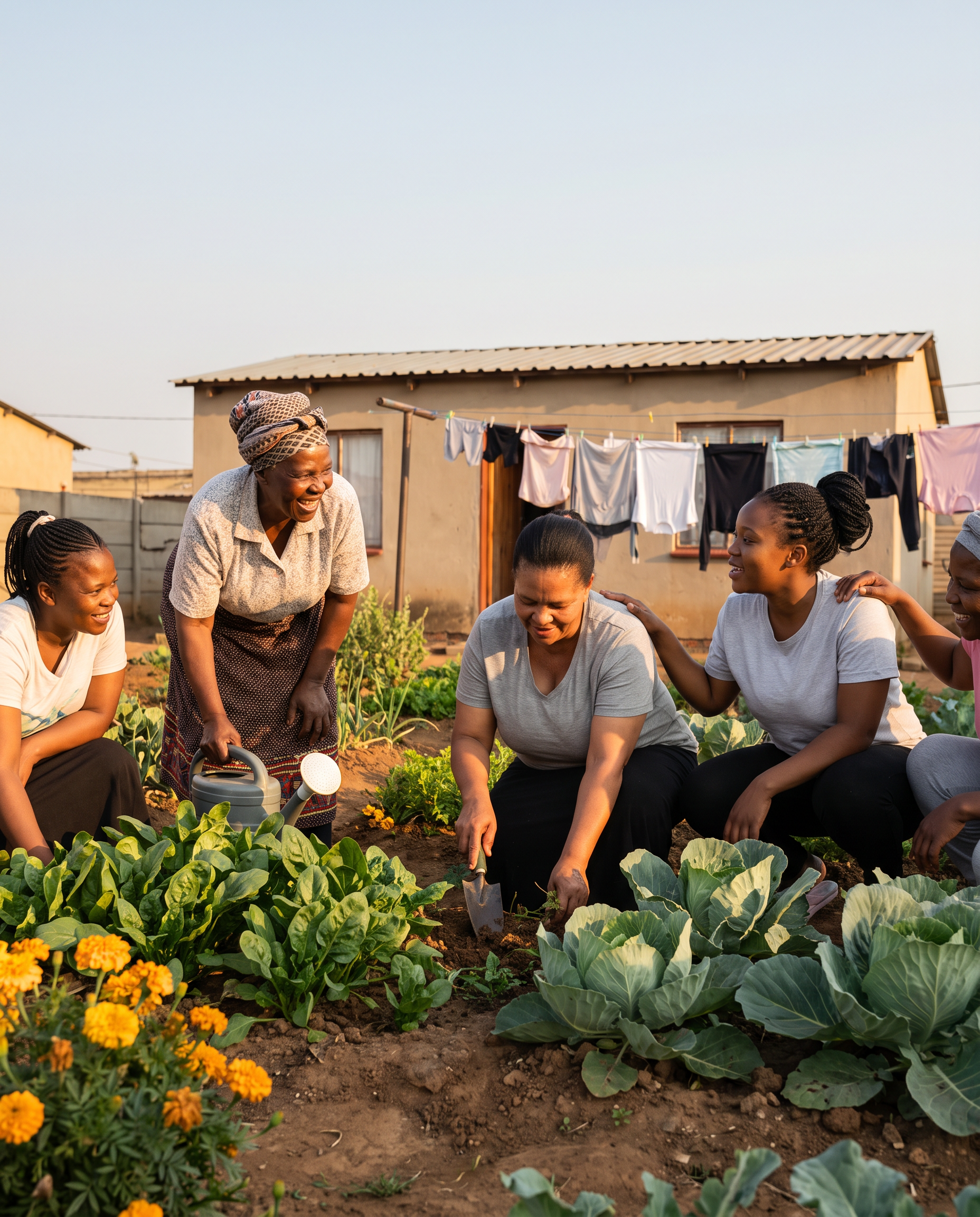
In my experience, small backyard gardening offers women affected by GBV and mental health struggles a transformative tool for healing.
Tending to a small patch of earth provides physical, psychological, and social benefits that directly counteract the impacts of trauma.
Dimension of Healing: How Backyard Gardening Supports Recovery
- Physical well-being – Encourages gentle movement, exercise, and exposure to fresh air and sunlight, helping regulate sleep patterns and stress hormones.
- Emotional and mental relief – Offers a grounding, sensory experience that helps calm hypervigilance, reduce anxiety, and clear racing thoughts.
- Agency and Purpose – Nurturing seeds into plants restores a sense of control, responsibility, and tangible achievement.
- Community and Connection – Creates non-judgmental, shared spaces where women can bond, share stories, or simply work side-by-side in peace.
Breathing Space and Physical Renewal
Trauma frequently manifests as physical tension, shallow breathing, and chronic exhaustion. Stepping into a garden forces a change of pace. The simple act of bending, digging, planting, and weeding serves as accessible, low-impact exercise. Being outdoors in the fresh air helps women slow down their breathing and reset their nervous systems. Nature creates a neutral, quiet sanctuary away from the stressors of daily life.
Restoring Agency and Motivation
Violence and trauma strip away a person’s sense of control. In an abusive situation, choices are restricted, and autonomy is denied. Gardening restores agency in a very practical way.
A woman decides what to plant, how to tend the soil, and when to water. Watching a tiny seed germinate, push through the dirt, and grow into a vegetable or flower provides immediate, visual evidence of care and growth. This tangible success builds confidence and renews personal motivation.
Grounding in the Present Moment
For those living with the echoes of old trauma, the mind often lingers in past pain or worries about future safety. Gardening is an inherently mindful, sensory activity.
Feeling the soil in one’s hands, smelling fresh herbs, feeling the warmth of the sun, and seeing vivid colours grounds the mind firmly in the present moment. This practice of mindfulness lowers stress levels and relieves the persistent anxiety associated with trauma.
Fostering Community Support
Backyard gardens frequently become informal gathering places for women in the community. In these spaces, women can talk freely or work together in comfortable silence.
Free from the formal pressure of traditional counselling sessions, women naturally build solidarity, share coping strategies, and encourage one another. It transforms personal isolation into collective strength.
A Pathway Toward Integrated Healing
Addressing the crisis of GBV and its toll on mental health requires an integrated approach. No single intervention is sufficient on its own. True community restoration happens when spiritual, psychological, and physical practices work together in harmony:
Faith Institutions provide safe, non-judgmental environments, ethical leadership, moral support, and interfaith solidarity.
Mental health professionals offer clinical guidance, trauma-informed care, and specialised therapeutic tools.
Grounded community Initiatives such as backyard gardening projects offer practical daily outlets for physical movement, emotional grounding, food security, and peer support.
Hope Rooted in the Earth
Mental health is not a distant topic; it is right here, shaping the lives of women, families, and communities every day. Trauma from past and present violence leaves deep marks on how we think and live, but it does not have to be the final chapter.
By combining the compassionate leadership of interfaith networks such as the Faith Action Collective with practical, nature based community initiatives like backyard gardening, we can create environments where real healing takes place.
Planting a garden is more than just growing food or flowers; it is an act of resilience, a declaration of hope, and a physical step toward reclaiming one’s life.
When women are given the space to breathe, move, and heal in nature, they do not just survive; they grow, flourish, and uplift entire communities.