By Dr Leonora Alberts-Vilakazi
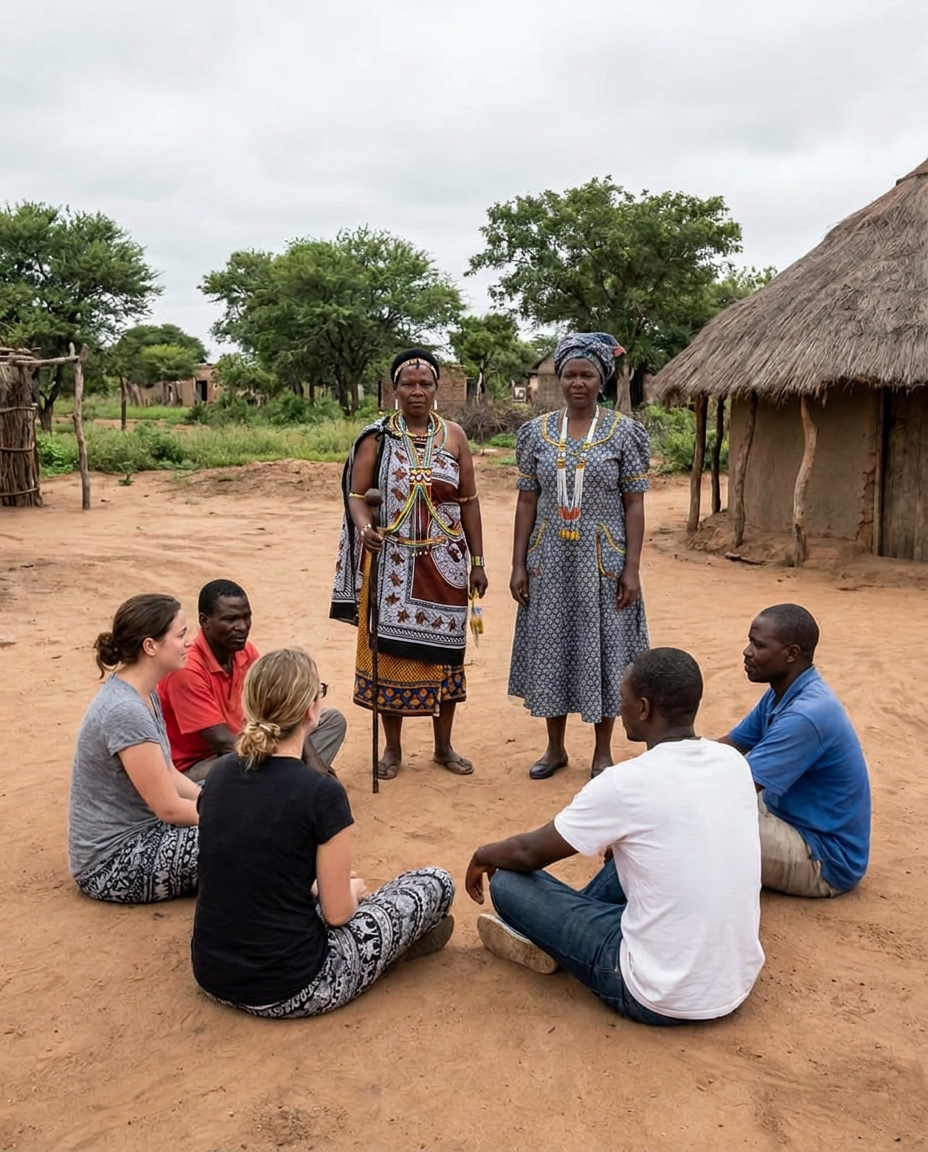
During Heritage Month, we are invited to celebrate the rich mosaic of cultures, languages, and traditions that make up our shared human identity.
Heritage is a deep well of belonging, resilience, and community wisdom. Yet, honouring heritage in modern life requires a balance: Holding onto values that build human dignity while having the courage to challenge practices that cause harm.
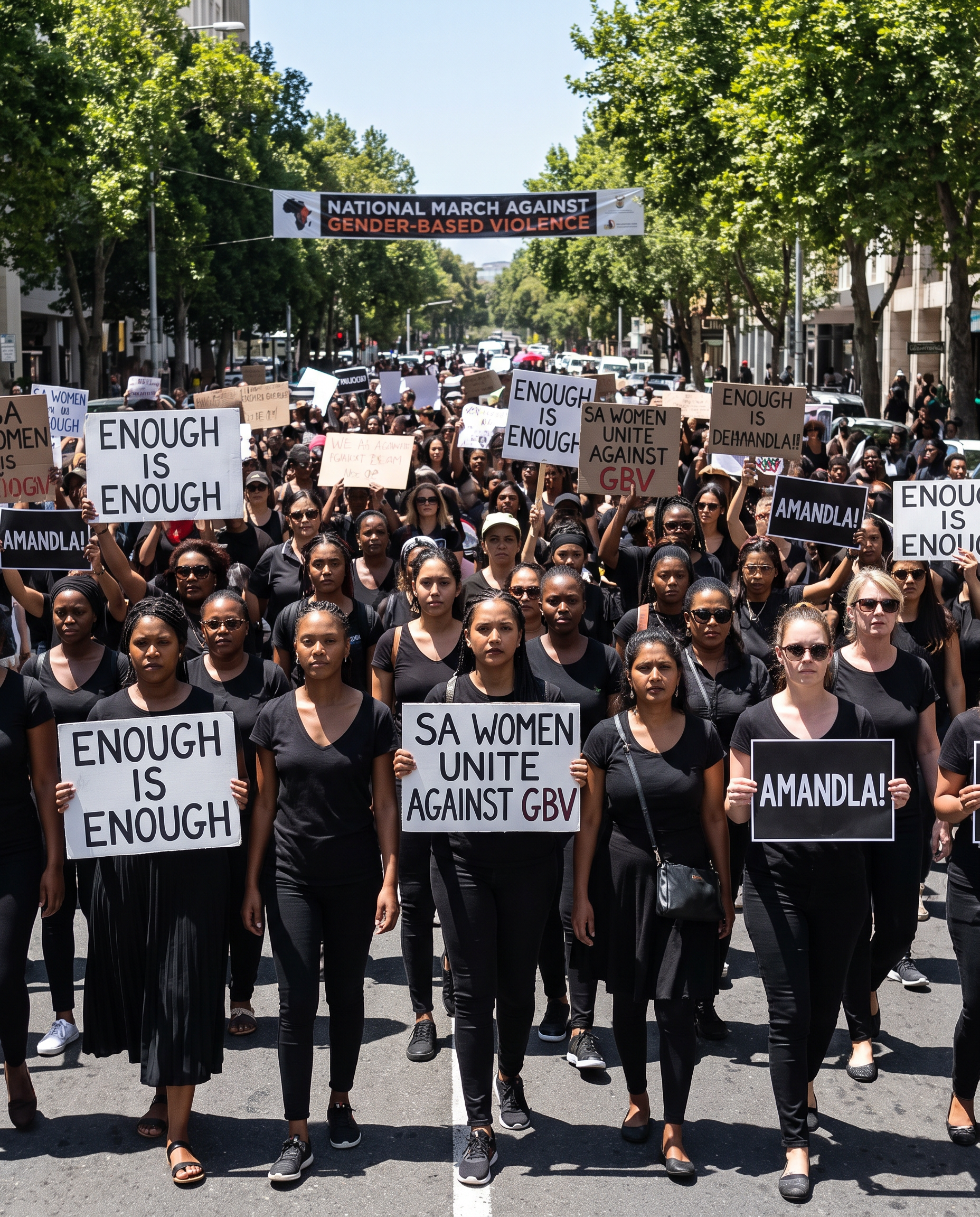
Real culture is not static. It is a living, breathing guide that must adapt to protect every member of society, especially in addressing the ongoing crisis of gender-based violence (GBV).
The Tension:
Celebrating Inheritance vs. Addressing Cultural Harm
Culture gives us identity, art, and values like mutual care, respect, and communal strength.
However, when legacy cultural practices or patriarchal interpretations are misused, they can perpetuate GBV.
Harmful Misinterpretations: In many communities, distorted ideas of male headship, forced marriages (ukuthwala), or pressure on women to remain silent in abusive relationships (ukubekezela) are incorrectly labelled as “culture.”
The Impact on Daily Life: These distorted norms affect everyday interactions—from normalising domestic coercive control and economic abuse to silencing victims through family pressure and community stigma.
Unlearning to Learn: A Framework for Human Dignity
Honouring heritage in the 2020s means committing to a continuous process of unlearning harmful legacies to relearn humanity. Unlearning is not a betrayal of identity; it is an act of preserving human dignity.
How do we do this?
1. Unlearn: Reject harmful traditions passed down as “normality. “Challenge jokes, proverbs, or customs that justify male dominance, silence abuse, or dehumanise women and LGBTIQA+ individuals.
2. Relearn: Align cultural heritage with constitutional rights. Return to original ancestral values of communal dignity, protection, and equity rather than patriarchal power structures.
3. Act: Enforce legal and social accountability daily. Report abuse, reject impunity, and support survivors in families and workplaces.
Legal Anchors: Acts and Regulations Safeguarding Human Rights
Unlearning is backed by legislative structures designed to protect human dignity over harmful tradition:
The Constitution and Bill of Rights: Establishes that while cultural rights are guaranteed, no cultural practice may violate fundamental human rights, equality, or physical integrity.
The Domestic Violence Amendment Act (DVA): Expands protection to cover coercive control, emotional abuse, spiritual abuse, and technology-facilitated harassment, ensuring safety inside the home.
The Sexual Offences and Related Matters Amendment Act: Criminalises all non-consensual sexual acts, reinforcing that traditional arrangements or marital status never imply consent.
National Council on Gender-Based Violence and Femicide (NCGBVF) Act: Coordinates national multisectoral strategies to eliminate gender-based violence through education, accountability, and survivor support.
Promotion of Equality and Prevention of Unfair Discrimination Act (PEPUDA): Prohibits unfair discrimination and hate speech under the guise of cultural or religious tradition.
Moving Forward with Respect and Dignity
Heritage Month calls us to honour the wisdom of our roots while refusing to let outdated prejudices dictate our future. True respect for diversity means creating a society where every individual, regardless of gender, can live free from fear, violence, and subjugation.
By grounding our cultural pride in human rights and active accountability, we build a legacy that future generations can inherit with pride.