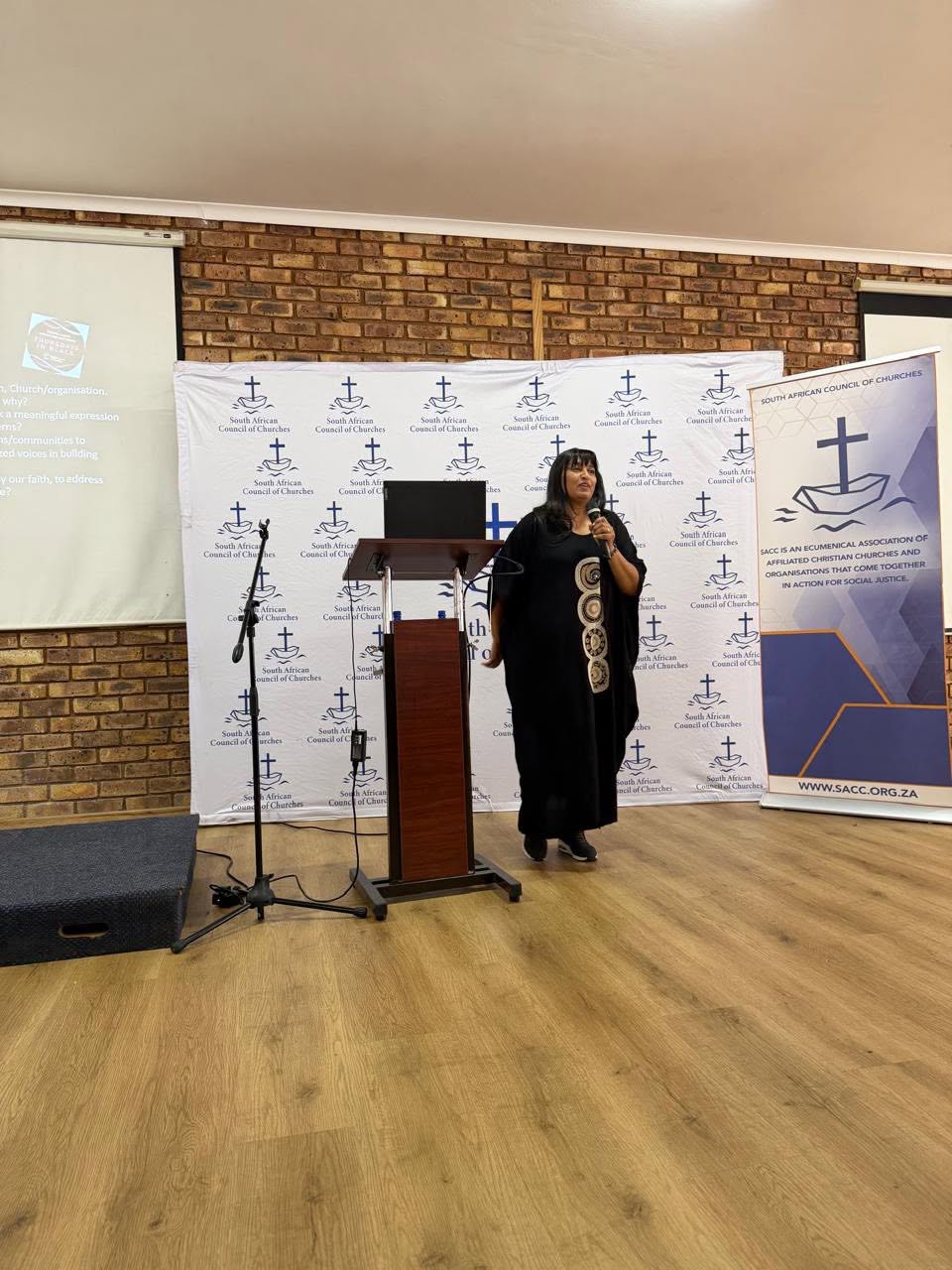
Restorative justice was the theme of August 2025’ Monthly Forum, held by Faith Action Collective to End GBV in partnership with We Will Speak Out SA.
Restorative justice is re-conceptualisation of crime that holds offenders accountable in constructive, rather than destructive ways. It also addresses the needs of victims/survivors and communities more holistically than the conventional punitive approach. It takes a creative, multi-faceted approach to address the harms and needs of all stakeholders. So, while restorative justice may result in making less use of prison, this in no way means that it is letting people off or being soft on crime
The main thing is that there is certainty about consequences – this is what changes behaviour, not the amount of punishment.
Shortcomings of retributive justice: It can be perceived as injustice by perpetrators and supporters, evoke backlash and undermine new order – punishment alone is ineffective. It is legal-technical with a focus on factual truth only, and limits information sharing.
Shortcomings of restorative justice: It can be perceived as ’cheap justice’, reconciliation only, with insufficient accountability or requiring transformation.
Restorative justice processes:
- Victim offender mediation/ victim offender conferencing
- Family group conferencing
- Family group decision making
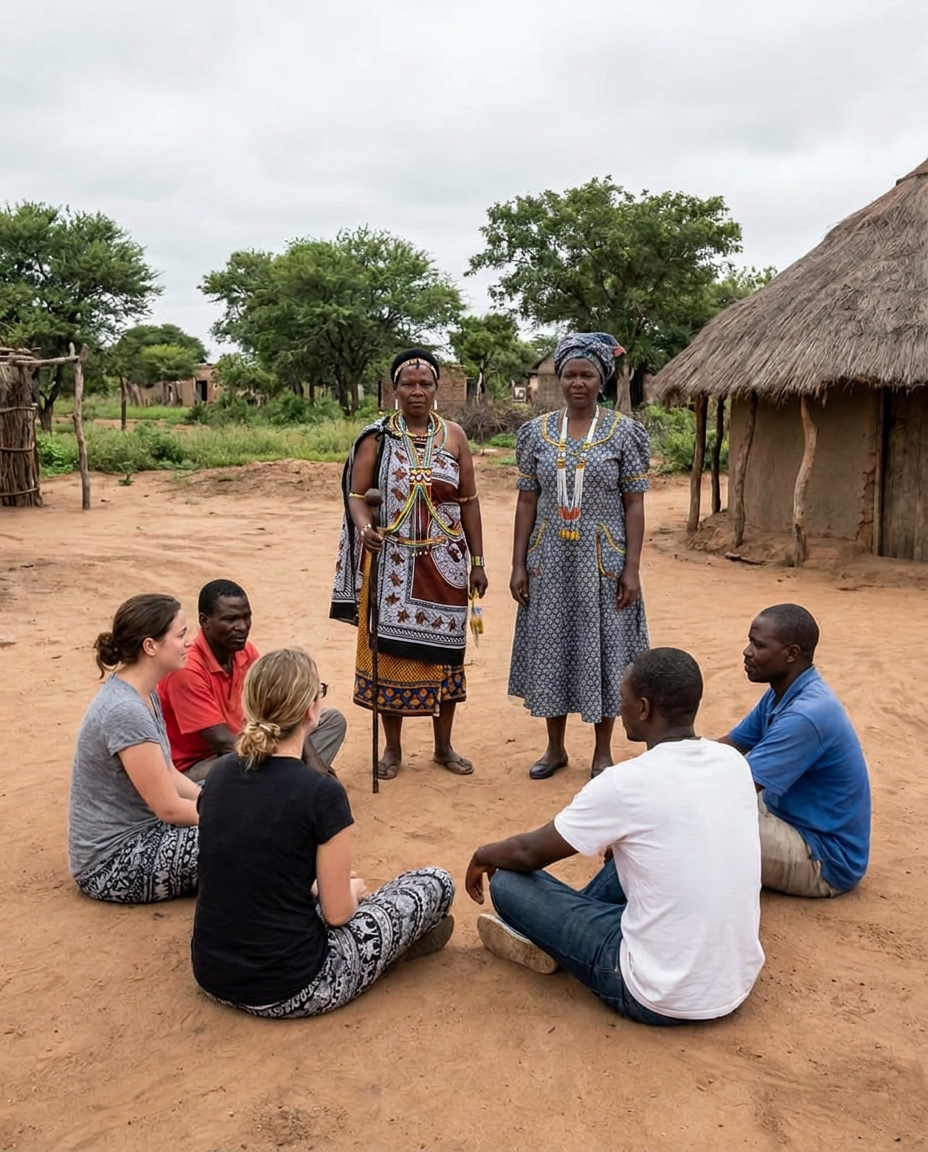
- Circles
- Victim offender panels
- Restorative enquiry
- Restorative discussion
Doing justice restoratively – programmes that contain elements of Restorative justice:
- Victim support
- Victim awareness
- Life skills
- Mentoring
- Restorative discipline
After plenary where the above was discussed, in small groups the Forum members looked at their experience of restorative justice in their local context.
- There is a concern that it is too easy to go the restorative justice route. What does it mean for those who have been hurt or lives have been lost? Some restorative justice processes can go terribly, especially when the perpetrator is not truthful. It must be a genuine journey of repentance for them.
- The prison system does not offer rehabilitation which is very much needed. Many perpetrators have not been rehabilitated and are unable to function properly and end up re-offending or intimidating those who charged them. People can do revenge attacks – even whole communities. It is important for offenders to rehabilitate and that their communities are ready to accept them back.
- Both victims and perpetrators need support and spiritual counselling as violence is a reflection of the dismantling of family systems and support and wellbeing. More access to faith counsellors to support restorative justice would be needed. There was a recognition that as a sector perhaps we overlook the real needs that offenders also have. The emphasis of restorative justice on the dignity of all created in the image of God can shift this. We need to learn to be willing and able to facilitate difficult conversations in our pursuit of justice and creating safe and supportive spaces.
- We as the faith sector also need to not be reactive but proactive and run preventiveprogrammes to identify if there are problems in the home. We need to also work with children and youth so when they grow up they don’t take violence into their relationships.
Way Forward
It was decided that this is only the beginning – the conversation continues.
It was good to appreciate the value of the faith sector to bring solutions, and how our faith principles can be applied and benefit all people to bring us to a space of wholeness (again).
The Faith Action Restorative Justice Working Group has been working on a concept document which will be a living document that will help Faith Action partners to chart the way forward as a collective. They are hoping to include specific references to the contribution that various faith traditions can offer our understanding and application of restorative justice.