By Gil Harper
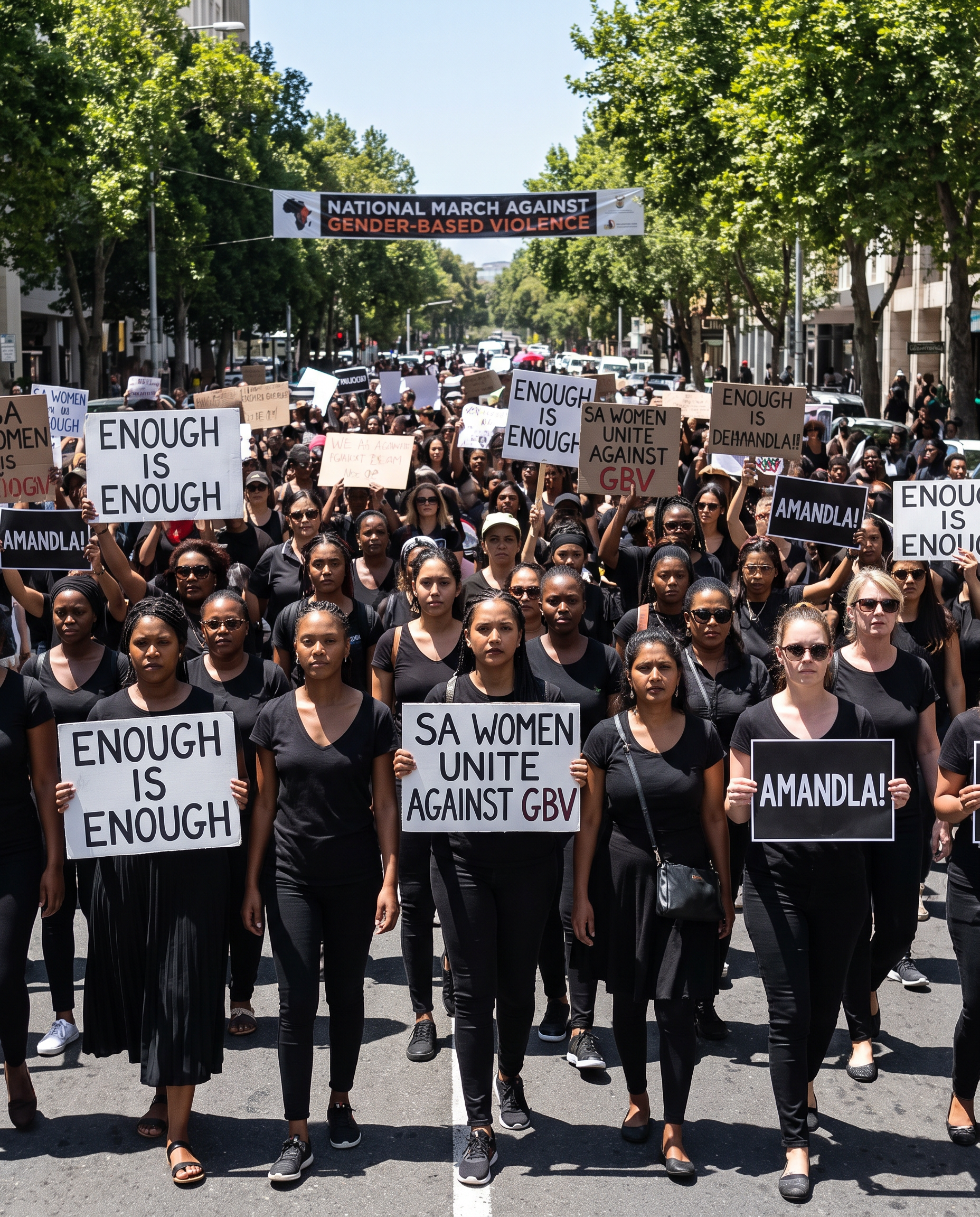
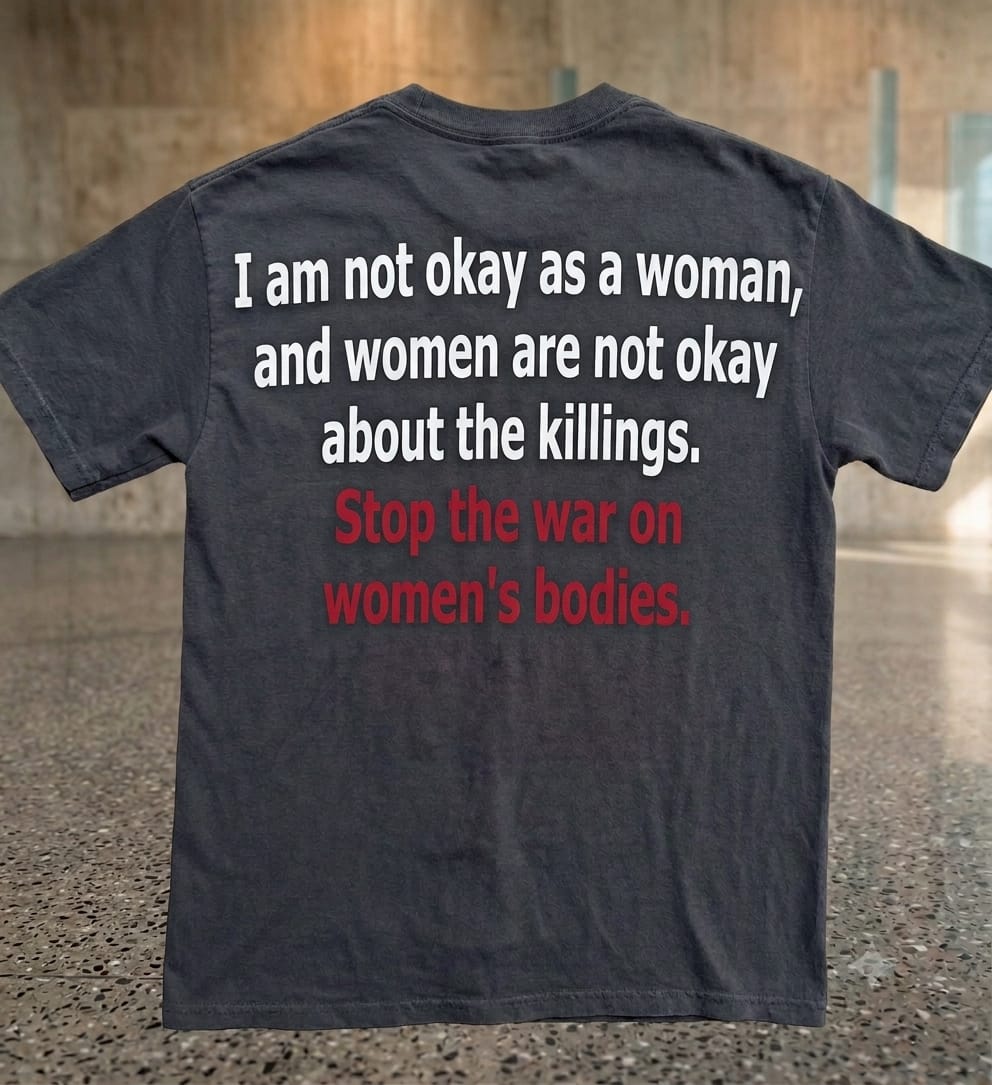
Women’s Month invites us to reflect on the theme set for our nation: Empowered Women, Empower Nations. For faith communities across South Africa, this is both a calling and a practical plan. Our sacred traditions teach dignity, compassion and justice. When we put those teachings into action, we strengthen families, protect the vulnerable and build healthier communities. This matters for the wellbeing of our whole nation.
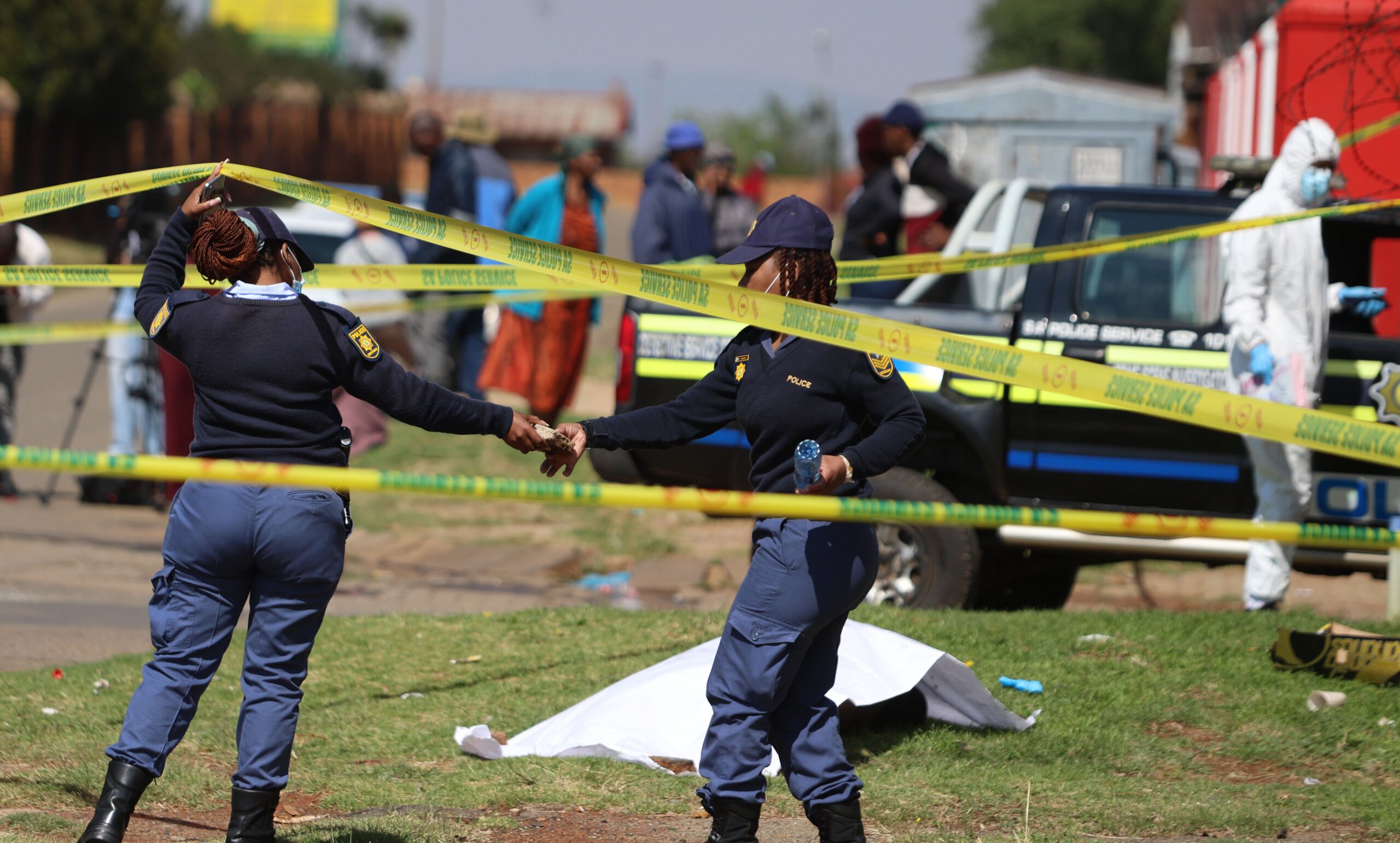
What does a faith response to gender-based violence (GBV) look like? First, it begins with conviction: that every woman, girl and gender-diverse person is created with inherent dignity and worth. Across faiths, leaders and sacred texts call communities to protect the vulnerable and to oppose abuse. This theological foundation compels us to act – not to silence or hide harm, but to confront it with care and accountability.
Second, it looks like practical, survivor-centred care. Listening without judgement is a spiritual practice. When someone discloses harm, faith leaders and communities must prioritise their safety, confidentiality and choices. That means having clear referral pathways to professional support (medical, legal, psychosocial), trained faith leaders and volunteers who can offer compassionate accompaniment, and protocols that protect survivors’ privacy.
Third, faith communities can lead prevention through education. Teaching about consent, respectful relationships and equitable leadership – in youth groups, sermons, study sessions and family programmes – reshapes norms. Simple, consistent messages from trusted faith leaders that violence is never acceptable help change attitudes over time. Include young people in these conversations and equip them with language about consent and boundaries. Faith-based schools and youth programmes are especially influential settings to model healthy behaviour.
Fourth, empower women within faith structures. Supporting women’s leadership in places of worship, decision-making bodies, and community projects strengthens the social fabric. When women lead, communities benefit from their perspectives in conflict resolution, pastoral care and social support systems.
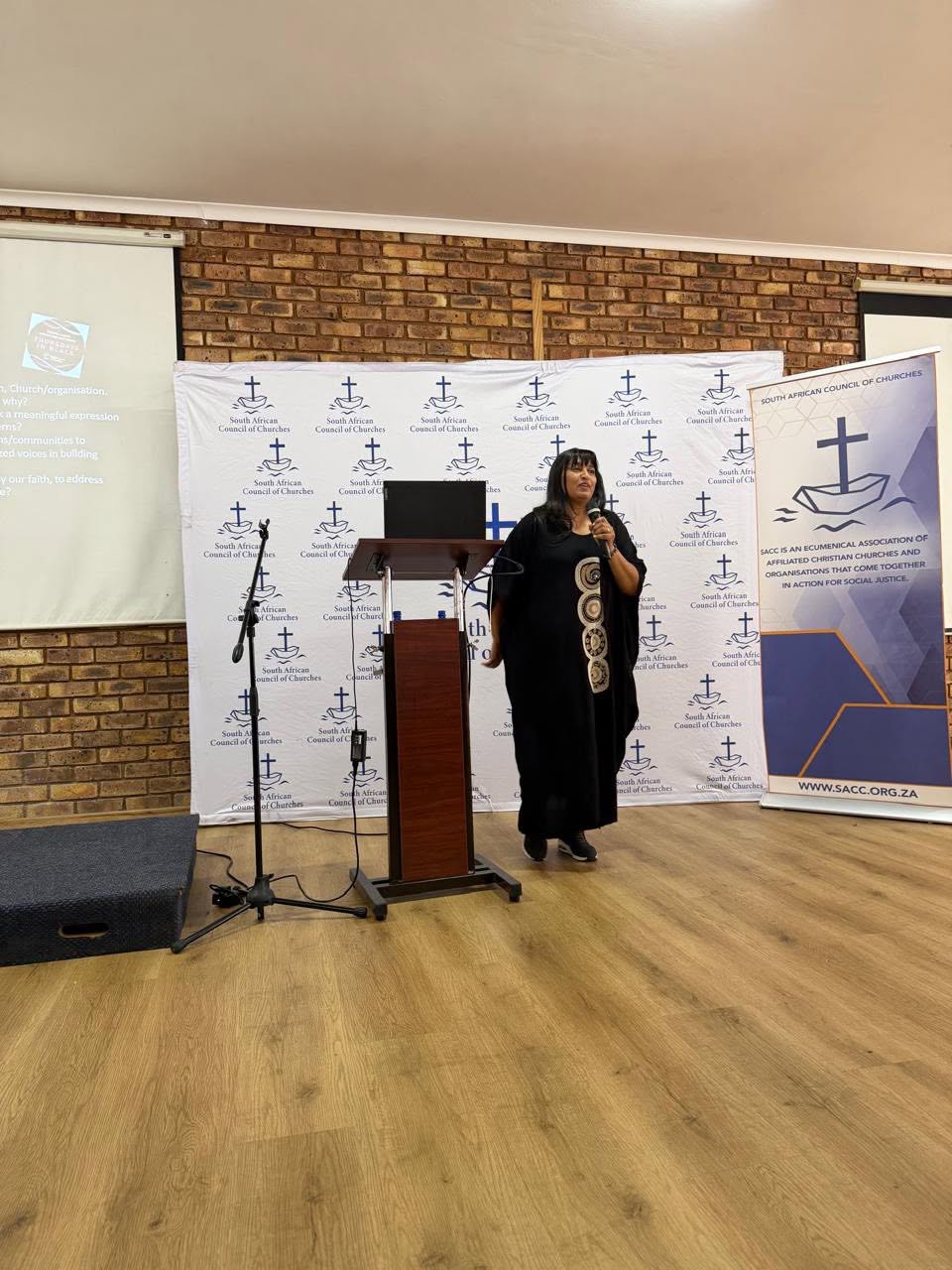
Finally, the work must be collaborative and accountable. Interfaith networks, like the Faith Action Collective to End GBV, allow faith communities to share protocols, helplines, training resources and referral systems. Partnering with survivor-led organisations ensures responses are trauma-informed and respectful of autonomy.
This Women’s Month, join us in making faith a force for protection, healing and transformation. When faith communities rise to protect dignity and pursue justice, we strengthen families – and together empower our nation.