Dr Leonora Alberts Vilakazi
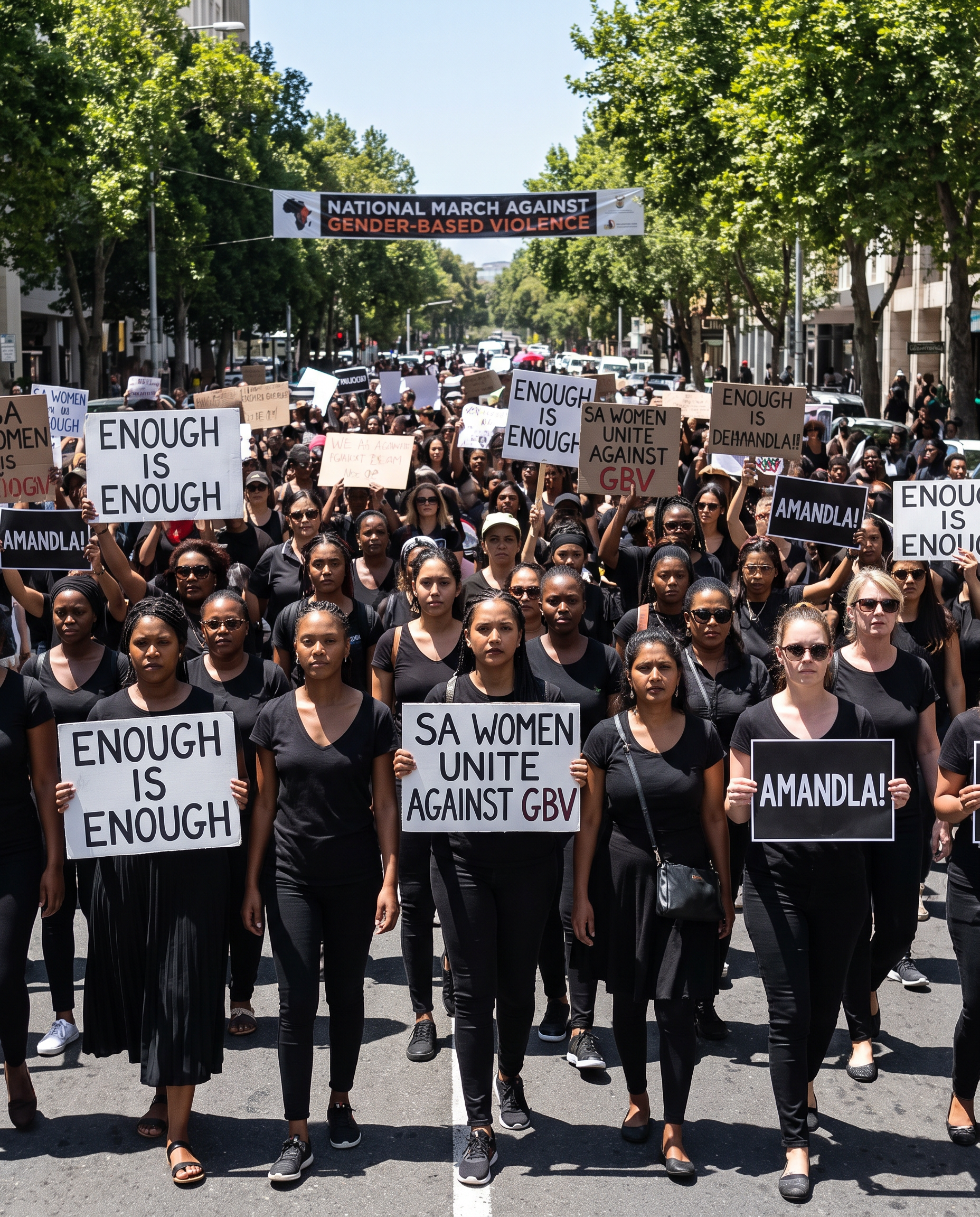
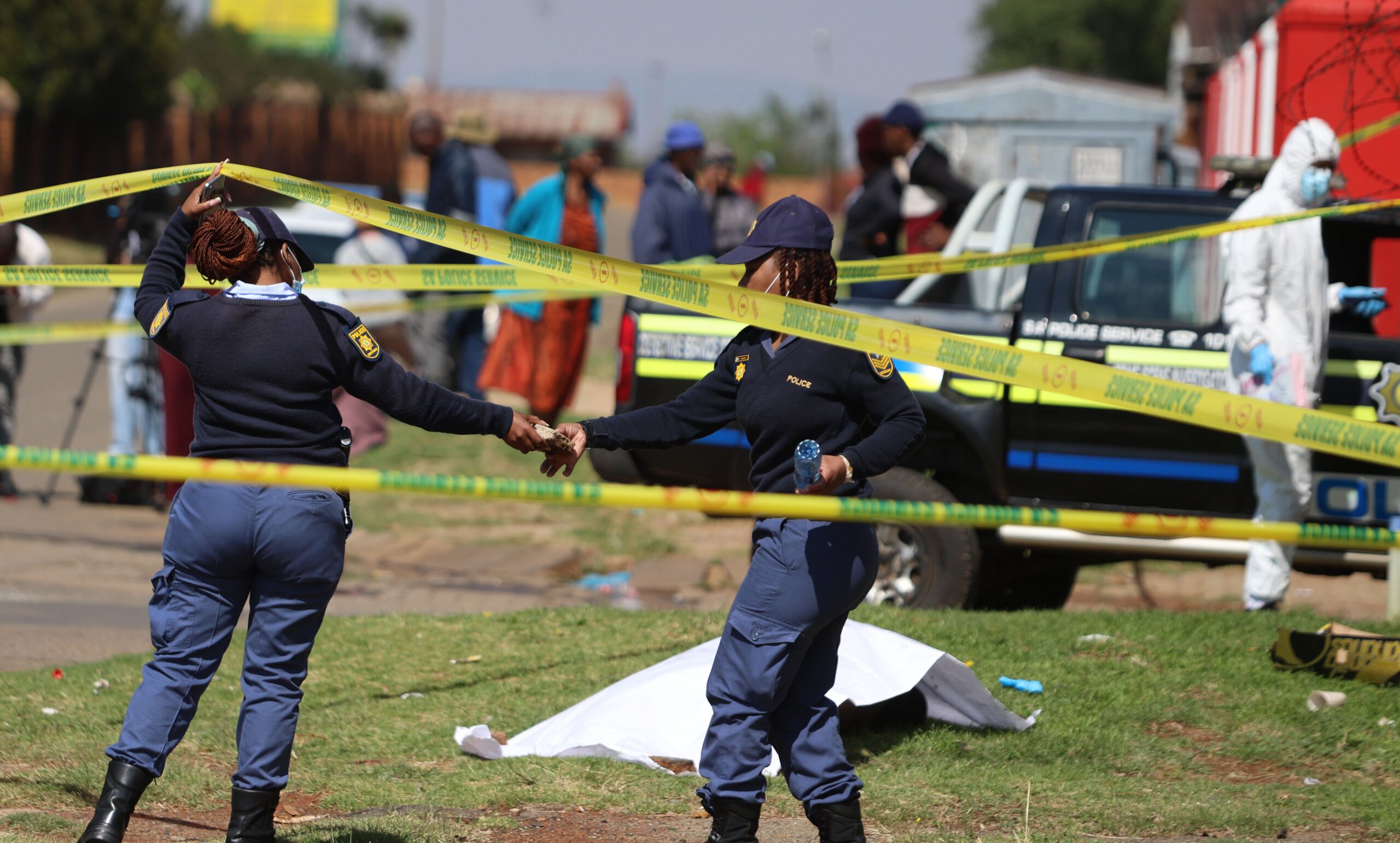
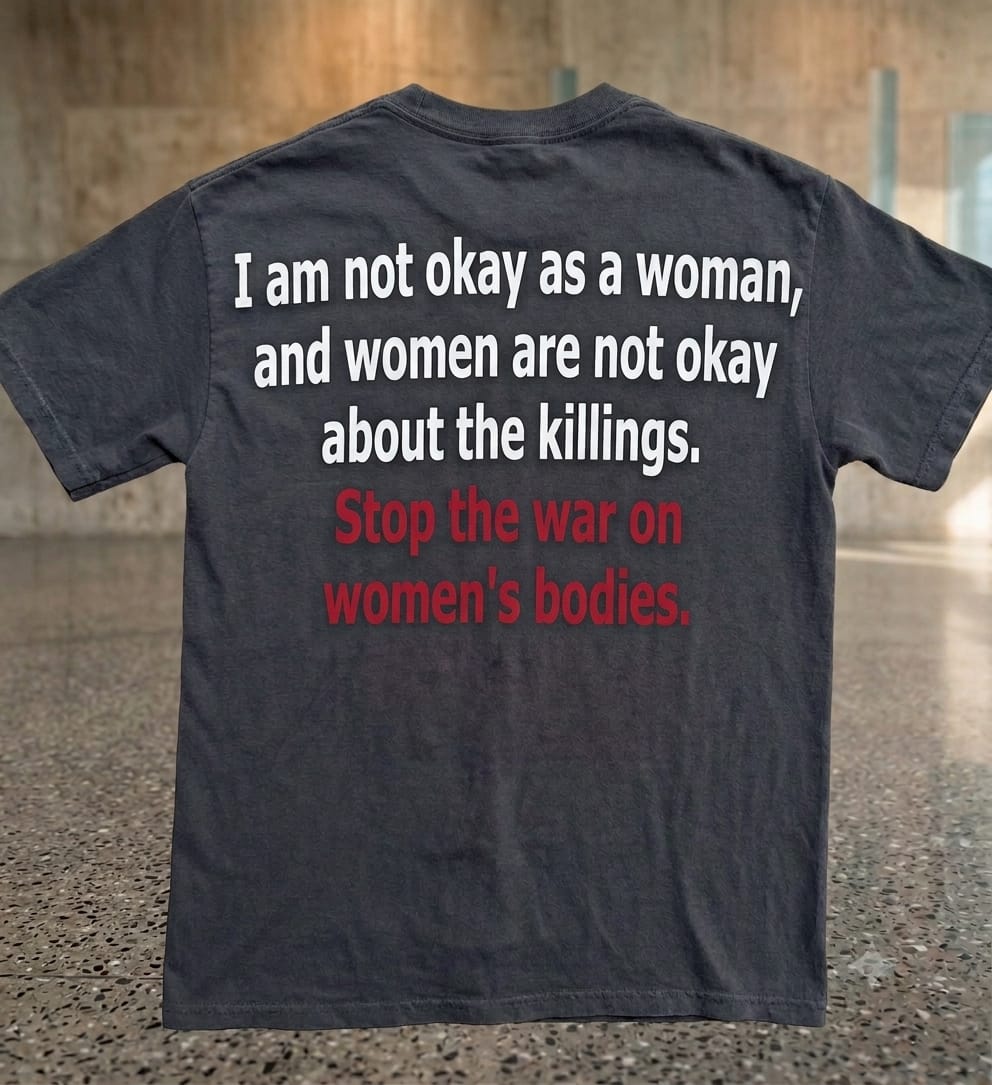
As we recently marked International Day of Families, let’s confront the harsh reality: gender-based violence and femicide (GBVF) often begins at home. It’s time to acknowledge that families can be both the problem and the solution. By raising children in safe, respectful environments, we can break the cycle of violence. By modelling care, respect, and accountability, we can create a culture of equality.
The Change Starts Here
– Teach children empathy and respect for others’ dignity
– Practice non-violence and kindness in your relationships
– Support survivors and hold perpetrators accountable
Let’s Make a Difference
GBVF is a societal issue, but it starts in the home. Families have the power to shape values and behaviours. Let’s use this power to create a culture of respect, equality, and non-violence. The future depends on it.
Faith can be a source of comfort and strength, but it can also be misused to perpetuate spiritual abuse, a form of manipulation and control that can have profound emotional and psychological effects on individuals. Spiritual abuse can occur within faith communities, where leaders or members exploit their power and influence or misuse sacred texts to dominate or harm others. Recognising the signs of spiritual abuse and addressing this with care and compassion is essential for promoting healing and support for those affected.
Interfaith initiatives can play a vital role in addressing spiritual abuse by:
– Providing a platform for diverse faith communities to come together and share experiences
– Promoting education and awareness about spiritual abuse and its effects
– Fostering a culture of empathy, understanding, and support for survivors
– Encouraging faith leaders to take responsibility for creating safe and respectful communities
– Developing collaborative responses to support survivors and prevent spiritual abuse
By working together across faith traditions, interfaith initiatives can help create a more just and compassionate environment for all.