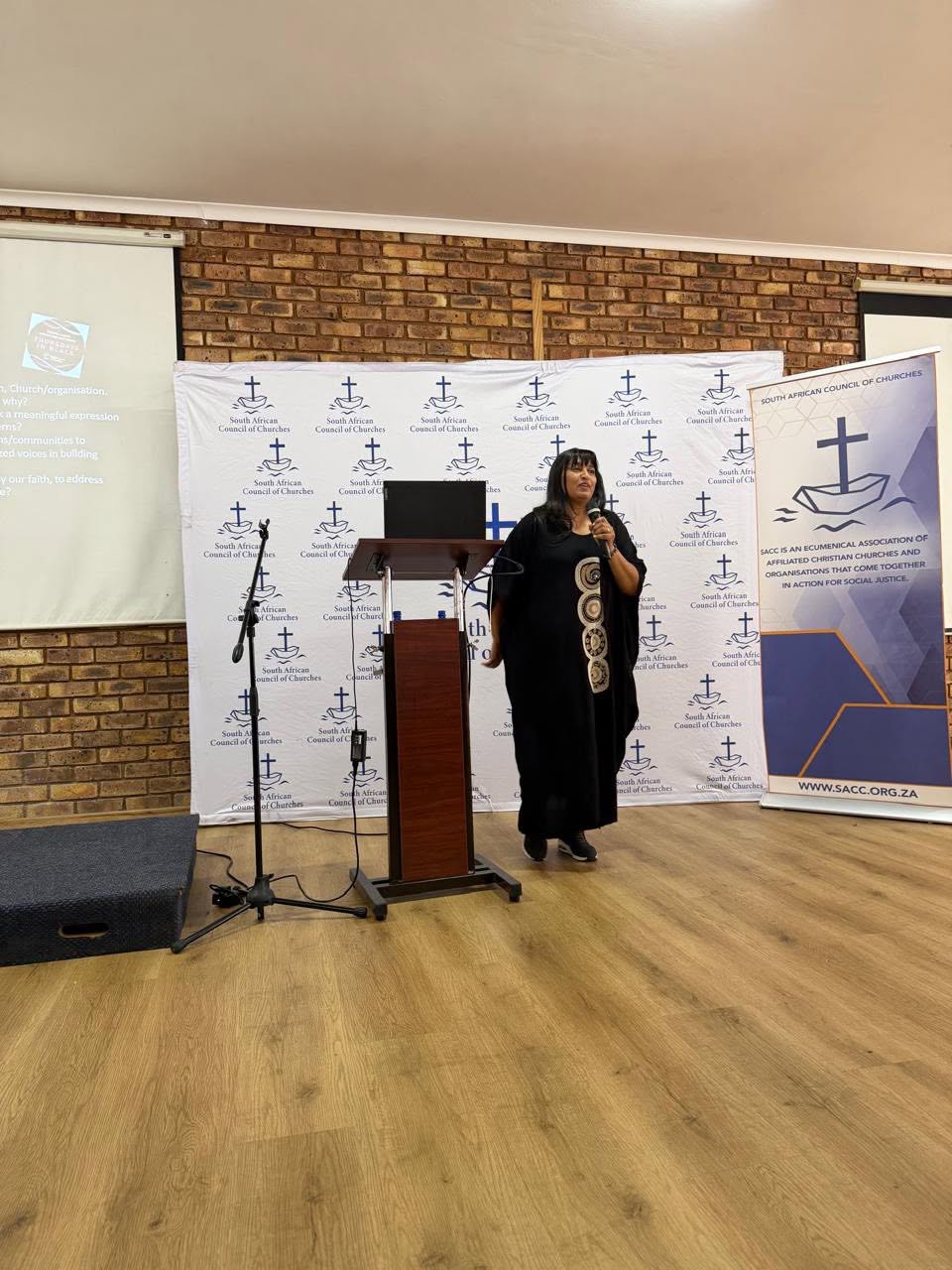
Dr Leonora Alberts Vilakazi
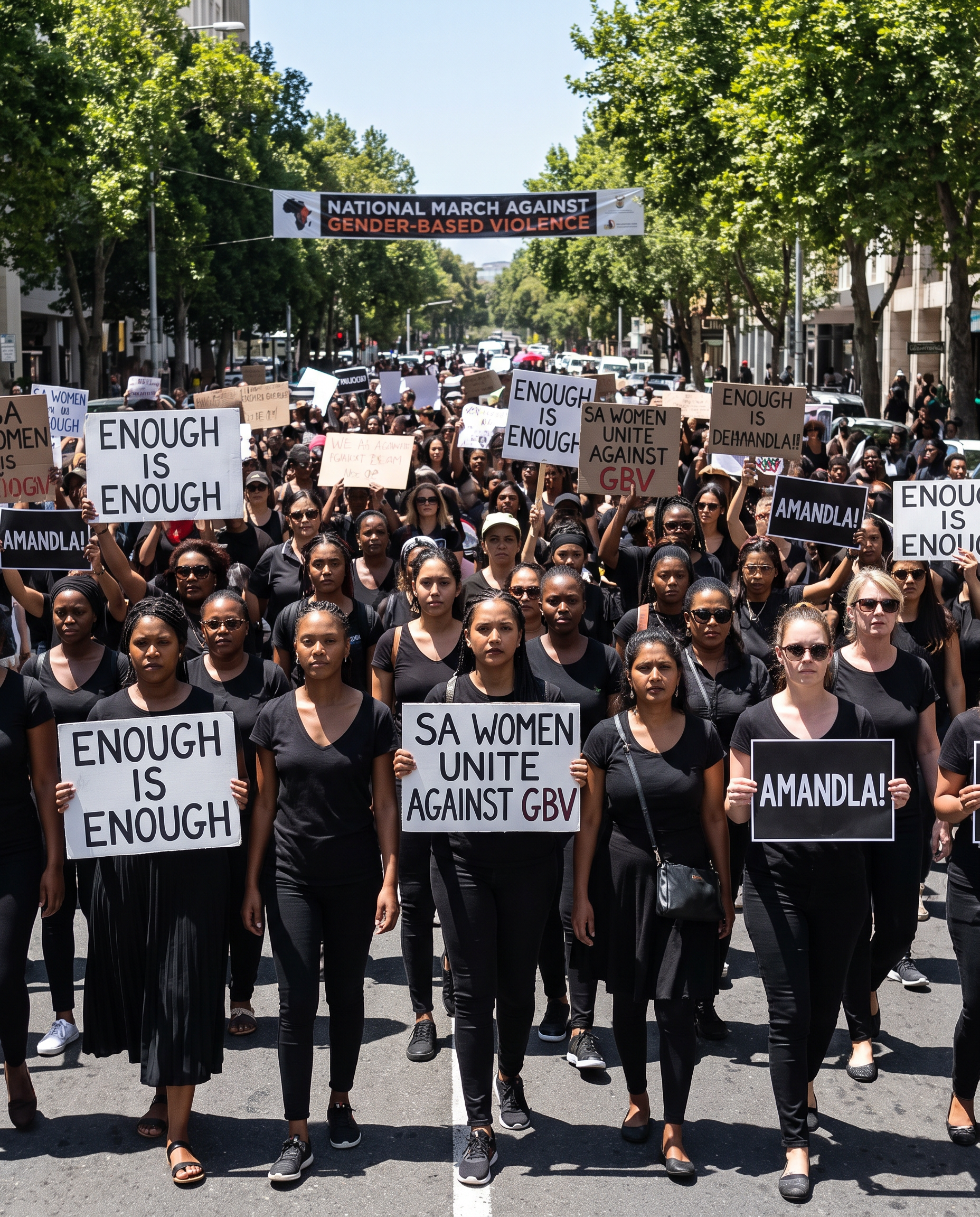
The Faith Action Collective encourages men and boys to be positive role models, especially to stand up to Gender-Based Violence and Femicide (GBVF).
Positive Masculinity: Actively rejecting harmful patriarchal norms and traditional practices that perpetuate violence and inequality.
Leading by Example: Demonstrating respect, consent, non-violence, and emotional intelligence in all relationships.
Speaking Out: Breaking the silence and holding peers accountable for abusive or sexist behaviour.
Mentorship: Guiding younger generations of boys to adopt healthy values, responsibility, and balanced gender relations.
The Critical Role of Interfaith in Men, Boys, and Fathers Matters
The Interfaith Sector holds a unique and powerful position in addressing issues related to men, boys, fathers, and the prevention of GBVF.
Moral Authority and Reach: Religious leaders and faith communities possess significant moral authority and an extensive, trusted reach within communities, making them powerful influencers of social norms and behaviours.
Challenging and Reinterpreting Texts: Interfaith dialogue allows for the critical re-examination of sacred texts and traditions to highlight principles that promote human dignity, non-violence, and gender equality, directly countering interpretations that perpetuate harm.
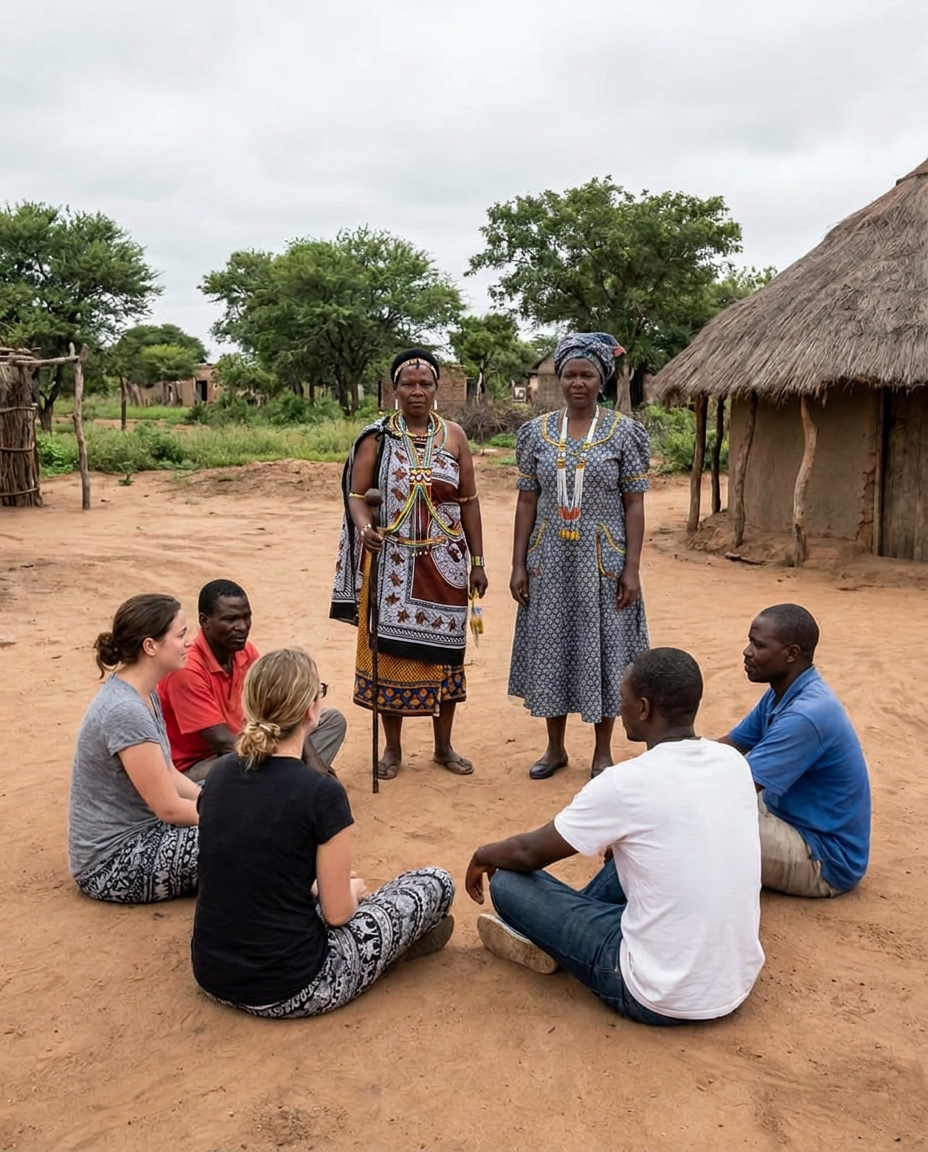
Mobilising Men and Boys: Interfaith initiatives are crucial for mobilising men and boys to become champions for gender equality.
This includes:
- Hosting workshops and dialogues on fatherhood, emotional health, and positive masculinity and GBVF.
- Creating safe, supportive spaces for men to discuss their mental health struggles and vulnerabilities, addressing issues like the high male suicide rate.
- Teaching and promoting healthier lives and balanced family roles.
Holistic Support: Faith communities can work collaboratively with civil society and government to provide holistic support, offering counselling, spiritual guidance, and referral to services for both survivors of GBV and perpetrators seeking to change their behaviour.
By unifying their voices and acting on shared values, diverse faith communities can create a transformative impact, fostering a culture of respect, accountability, and safety for everyone.