Dr Nontando Hadebe
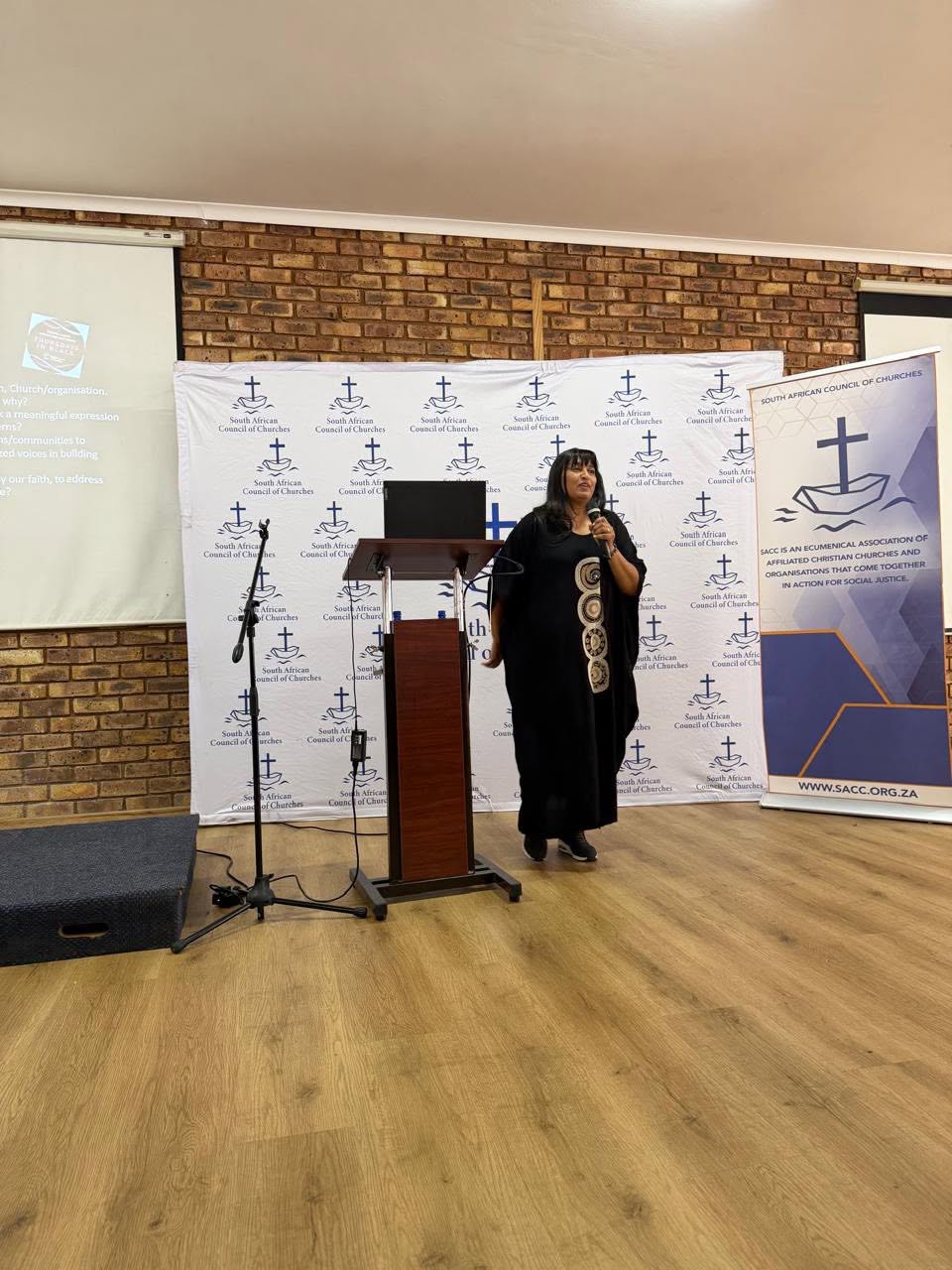
During our July Forum meeting, we had a learning focus on spiritual abuse. The Spiritual Abuse Working Group has developed a concept document on spiritual abuse and has begun work on a training manual. The Forum meeting focus was intended to enrich this process so people’s views can contribute to this collaborative effort. It is important to note that spiritual abuse is not perpetrated only by faith leaders, but can occur at any level. Some useful insights gleaned from the Forum meeting are summed up below.
There is something disturbing about ‘spiritual’ and ‘abuse’ in the same sentence. Religious leaders, communities and sacred texts have the loyalty, unquestioning trust, vulnerability and confidence from their communities. That is why spiritual abuse represents the highest violation of faith.
Spiritual abuse can broadly be defined as the abuse of sacred texts and positions of leadership to harm, violate and abuse another. It cuts across all ages, race and gender and cannot be justified. Victims of spiritual abuse experience profound betrayal, trauma, fear that silences them and not being believed or supported, together with a deep crisis of faith. Spiritual abuse makes headline news when it involves a religious leader and as a result it is understood to be something done by religious leaders. However, spiritual abuse happens within faith communities perpetrated by members in their relationships with each other who also misuse use sacred texts.
Stories of spiritual abuse by leaders that make headlines are just the tip of the iceberg as spiritual abuse happens not only at leadership level but among community members who harm and violate others. Often, these practices are normalised and become part of the faith community’s relationship culture. Further, the absence of protective measures such as safeguarding policies means that there is general ignorance about spiritual abuse in faith communities, so justice starts with intentional protection of all members of faith communities from abuse which requires safeguarding policies, protecting of survivors and holding perpetrators accountable. Spiritual abuse challenges the very essence and core beliefs of faith communities and everything must be done to regain the trust and safety of faith communities. So instead of sweeping spiritual abuse under the carpet and refusing to speak about it, faith communities are true to their faith when they speak openly and hold themselves accountable to addressing and reporting crimes of abuse in their spaces. There is an African proverb that sends a warning against failures to be safe spaces: “A child who is not embraced by the village will burn it down to feel its warmth.”